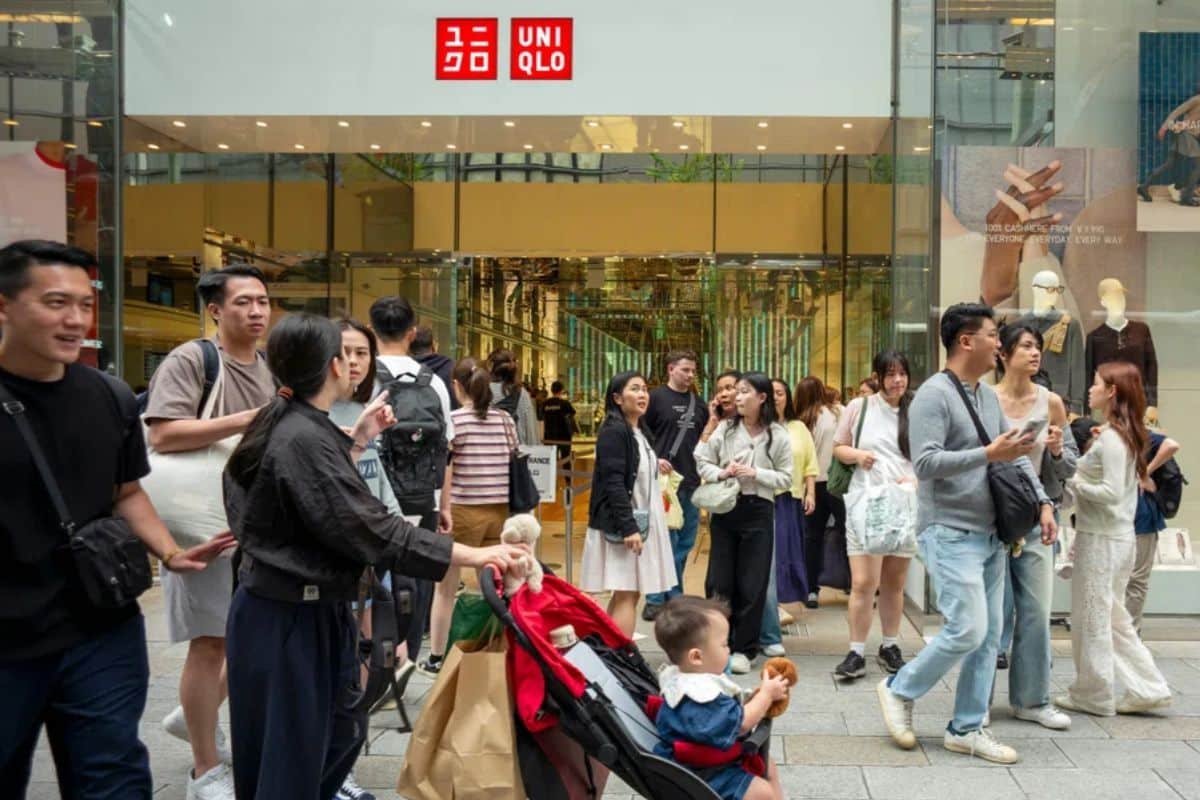
Uniqlo owner announces salary increase for new graduates in Tokyo amid inflation concerns
Fast Retailing, the parent company of Uniqlo, has revealed plans to raise base salaries for new university graduates entering its workforce in Japan. This move comes as the country faces mounting inflationary pressures. The Fast Retailing salary decision, announced in Tokyo on Monday, aims to secure and retain talent. At the same time, it responds to a labour market affected by rising consumer prices and a tightening job environment. The salary adjustments will affect recent graduates in management-track programmes as well as those in other roles. More broadly, the move reflects a wider shift in compensation trends across Japanese corporations.
Details of the Fast Retailing salary revision and implications for new employees
From March onward, new graduates in management-track positions will receive an annual pay increase of approximately 12 per cent. This change raises their base salary to 5.9 million yen, or about S$48,350. Meanwhile, graduates recruited into other roles will see pay hikes close to 10 per cent. Their annual salaries will reach around 4.5 million yen. According to Fast Retailing’s statement, the Fast Retailing salary adjustment forms part of an initiative to support sustainable growth. The company aims to achieve this through productivity gains and wage improvements. In addition, Fast Retailing referenced a previous wage increase in 2023. During that period, the firm raised annual pay for full-time employees in Japan by up to 40 per cent.
Corporate Japan responds to inflation and labour shortages with higher wages
Fast Retailing’s decision to raise salaries comes amid a nationwide trend of wage growth. Across Japan, companies continue to respond to intensifying labour shortages and inflation rates unseen in decades. Authorities in Tokyo note that Japan’s ageing population and lower birth rates have tightened the labour market. As a result, firms face growing pressure to enhance employee compensation to attract talent. Labour economists also highlight that wage increases are becoming more common across industries. Therefore, many firms are adjusting pay structures to adapt to changing economic conditions. The company’s approach aligns with official data showing slower employment growth. At the same time, demand for skilled graduates continues to rise, particularly in urban centres such as Tokyo and nearby prefectures including Kanagawa and Saitama.
Labour and economic authorities monitor corporate wage adjustments objectively
Japan’s Ministry of Health, Labour and Welfare has stated that wage hikes by major employers, including Fast Retailing, form part of a broader response to inflation and workforce changes. Studies of corporate salary trends show that companies implement such increases to maintain competitive positions in the labour market. Meanwhile, authorities continue to review these changes to safeguard economic stability. So far, regulators have not indicated any wage controls or mandated caps. This allows firms to adjust compensation within prevailing market conditions. According to official labour reports, agencies monitor salary revisions alongside inflation data and consumer price indices. These assessments cover major metropolitan areas as well as smaller prefectures across Japan.
Social media and industry analysts note broader changes in Japan’s employment landscape

Following the announcement, discussions quickly emerged on social media platforms and professional forums in Japan. Many participants focused on the implications of rising salaries. Industry analysts observe that Fast Retailing’s actions reflect cautious optimism about economic recovery and labour market competitiveness. However, opinions remain divided. Some users point to possible inflationary effects on living costs in cities such as Tokyo and surrounding areas like Chiba and Shizuoka. Others, meanwhile, emphasise the benefits for new graduates who struggle to secure stable employment. Moreover, experts suggest that wage growth may encourage productivity improvements and stimulate consumer spending. Overall, discussions remain largely neutral and focus on factual developments rather than long-term speculation.
Short- and long-term effects of Fast Retailing salary revisions on Japan’s economy and employment sector
In the short term, the Fast Retailing salary increases may ease pressures faced by new employees in Tokyo and nearby regions. These changes could also influence commuting patterns and job market competition. Similar effects may extend to neighbouring areas, including Malaysia’s employment sectors where Japanese firms operate. Over the longer term, wage adjustments may contribute to shifts in corporate engineering standards. These changes could affect workforce management and operational safety practices. Furthermore, the trend toward higher salaries may accelerate the adoption of advanced technologies. Companies may use such tools to complement human resources amid ongoing labour shortages. Overall, analysts continue to assess these developments within the broader context of Japan’s economic policies and global market dynamics. Fast Retailing’s wage strategy represents a measured effort to sustain growth and maintain workforce stability.