
For a CEO, selecting a new industrial or logistics base is not just about real estate; it is a high-stakes strategic decision that will define the company’s cost structure and operational efficiency for the next 20 to 30 years. In the current economic climate, where supply chain disruptions are the “new normal,” the search for the No.1 Logistics Hub Johor, Pengerang Industrial Hub, PIH has become a top priority for boards across Asia.
Actually, the criteria for “excellence” have shifted. In 2026, a plot of land with a roof is no longer enough. Decision-makers are looking for an ecosystem that offers resilience, resource proximity, and seamless international access. As industrial land in traditional corridors becomes increasingly fragmented and congested, the shift toward the eastern gateway of Johor—Pengerang—is accelerating. This is where the No.1 Logistics Hub Johor is being redefined by modern planning and geostrategic location, offering a platform that supports the rapid scaling of high-value industries.
Board-Level Snapshot: Why PIH Fits the “No.1 Logistics Hub Johor” Standard
Proximity to Power: Evaluating the 4km Advantage of the No.1 Logistics Hub Johor
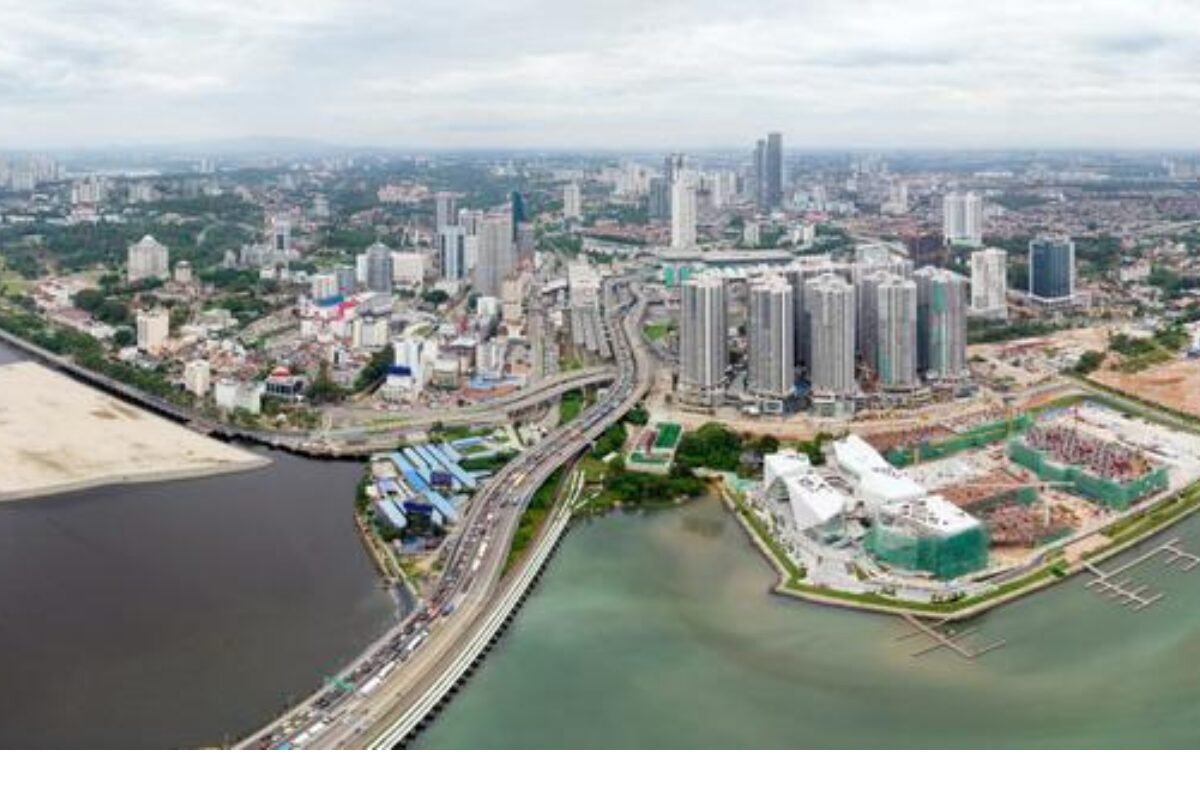
When a CEO evaluates a site, they usually start with one question: what are my input costs? A true logistics hub must offer more than transport links. It must also deliver direct access to primary resources. That’s where PIH stands out.
4km From RAPID = A Direct Resource Advantage
PIH sits just 4km from the USD 27 billion Petronas RAPID complex. As a result, it links businesses directly to one of the region’s biggest energy and petrochemical ecosystems. This location gives PIH a resource advantage that most industrial zones cannot copy.
Lower Inbound Costs for Downstream Manufacturers
Because of this proximity, downstream manufacturers—chemicals, plastics, and advanced materials—can cut inbound logistics costs dramatically. You reduce travel distance, reduce handling time. You also reduce disruption risk. In other words, you don’t just buy land. You secure a position inside a Johor industrial logistics centre built around raw-material flow.
Faster Lead Times, Leaner Operations
In practice, PIH can act as a facilitator that helps companies plug into the RAPID ecosystem with less operational friction. Consequently, businesses can shorten lead times and hold less inventory. That lowers carrying costs and improves cash flow. Ultimately, you run a leaner operation and protect profit margins.
Multimodal Resilience: The CEO’s Requirement for a No.1 Logistics Hub Johor
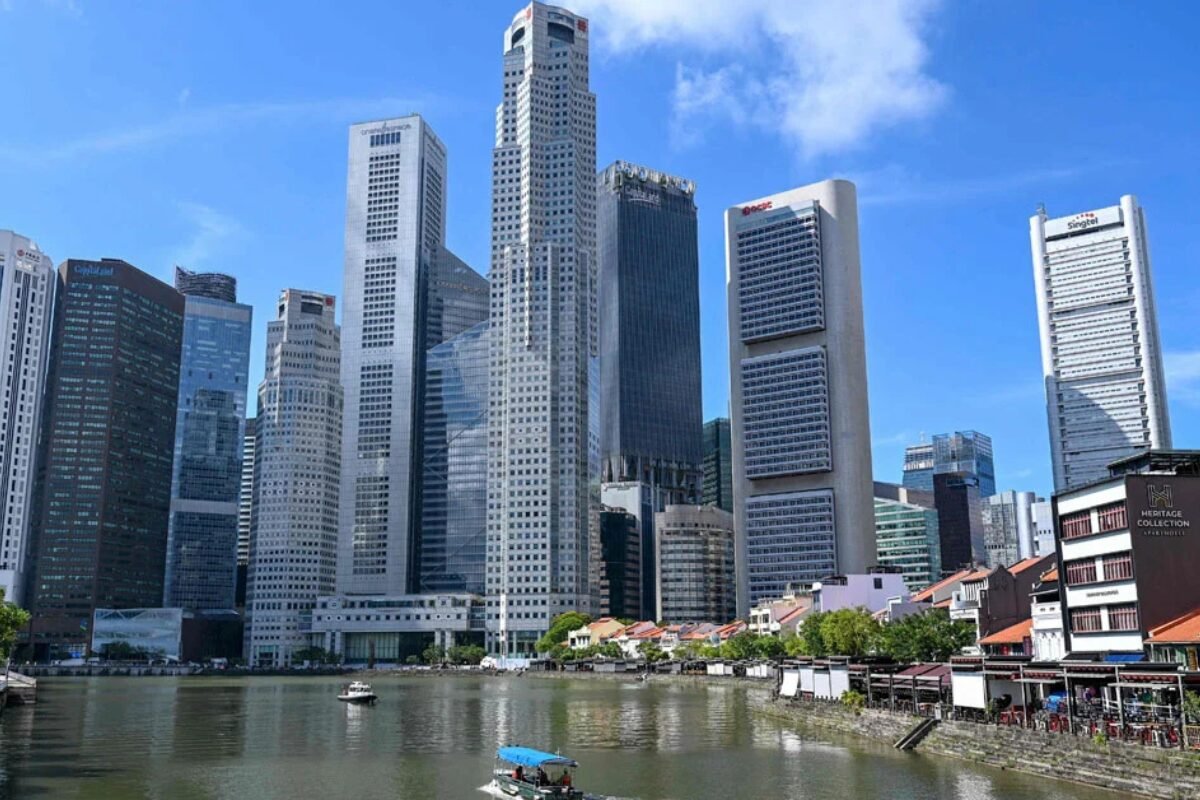
Executives worry about “single-point failure” in the supply chain. If you depend on one road or one port, one disruption can freeze your business. That’s why a true logistics hub must offer alternatives. PIH tackles this risk by supporting a stronger Johor multimodal logistics network.
Multimodal Options Built for High Volume
PIH targets future high-volume movement. It connects operations to deep-water port access, wide industrial transport corridors, and nearby regional aviation links. As a result, companies can switch transport modes based on speed, cost, or disruption. This flexibility keeps goods moving when one channel slows down.
A Game-Changer for RDC and Regional Logistics
For firms setting up a Johor regional logistics hub or a Regional Distribution Center (RDC), PIH’s routing options matter. Businesses can bypass congestion that often hits older city ports. Therefore, delivery performance stays stable even during peak trade periods. In short, PIH offers the hardware a modern freight and distribution hub needs—built to international standards for global operators.
Quantifying ROI: Why the No.1 Logistics Hub Johor is a Financial No-Brainer
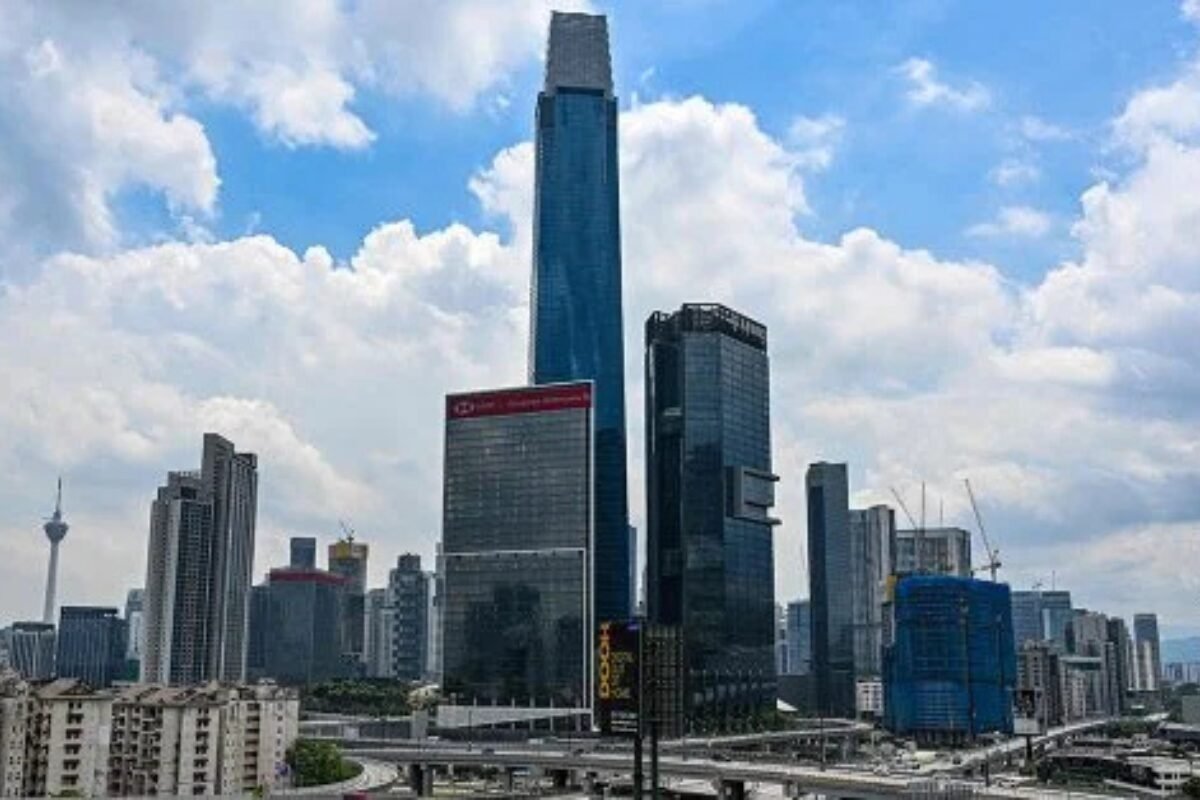
At board level, the discussion always returns to ROI. Premium sites may look expensive at first. However, PIH often flips the math through operational savings. When companies move operations to Johor’s No.1 Logistics Hub, Pengerang Industrial Hub (PIH), they can reduce transport overheads. In many cases, those savings outweigh the higher land cost over time.
Strong Upside in the Pengerang–Singapore Corridor
Meanwhile, Pengerang’s outlook remains strong. It sits within the high-growth Pengerang–Singapore corridor, so investors also watch for asset appreciation. As a result, the land itself can become a longer-term value play, not just an operating base.
Industry 4.0-Ready, Lower Future Capex
PIH also supports Industry 4.0-ready infrastructure. Therefore, businesses can adopt smart warehousing and automation with fewer expensive retrofits later. For CEOs, that means lower long-term Capex and a stronger asset on the balance sheet.
Policy + Market Momentum
Finally, PIH aligns with both policy direction and real market shifts. Consequently, companies that enter this ecosystem position themselves inside a Johor logistics growth zone with stronger tailwinds and clearer scalability.
In conclusion, the decision to move to Pengerang is a decision to future-proof your company. The evidence is clear: for industries that require resource proximity, cross-border efficiency, and world-class infrastructure, there is only one definitive choice.
By selecting the No.1 Logistics Hub Johor, Pengerang Industrial Hub, PIH, you are choosing more than just an industrial park. You are choosing a strategic gateway that connects the resource-rich $27B RAPID project with the global financial sophistication of Singapore. The operational efficiency, the Johor cross-border logistics advantage, and the long-term ROI make it the most compelling industrial investment in Southeast Asia today. It’s time to move beyond the congested hubs of the past and secure your place in the No.1 Logistics Hub Johor, Pengerang Industrial Hub, PIH. The next phase of your company’s growth starts here.