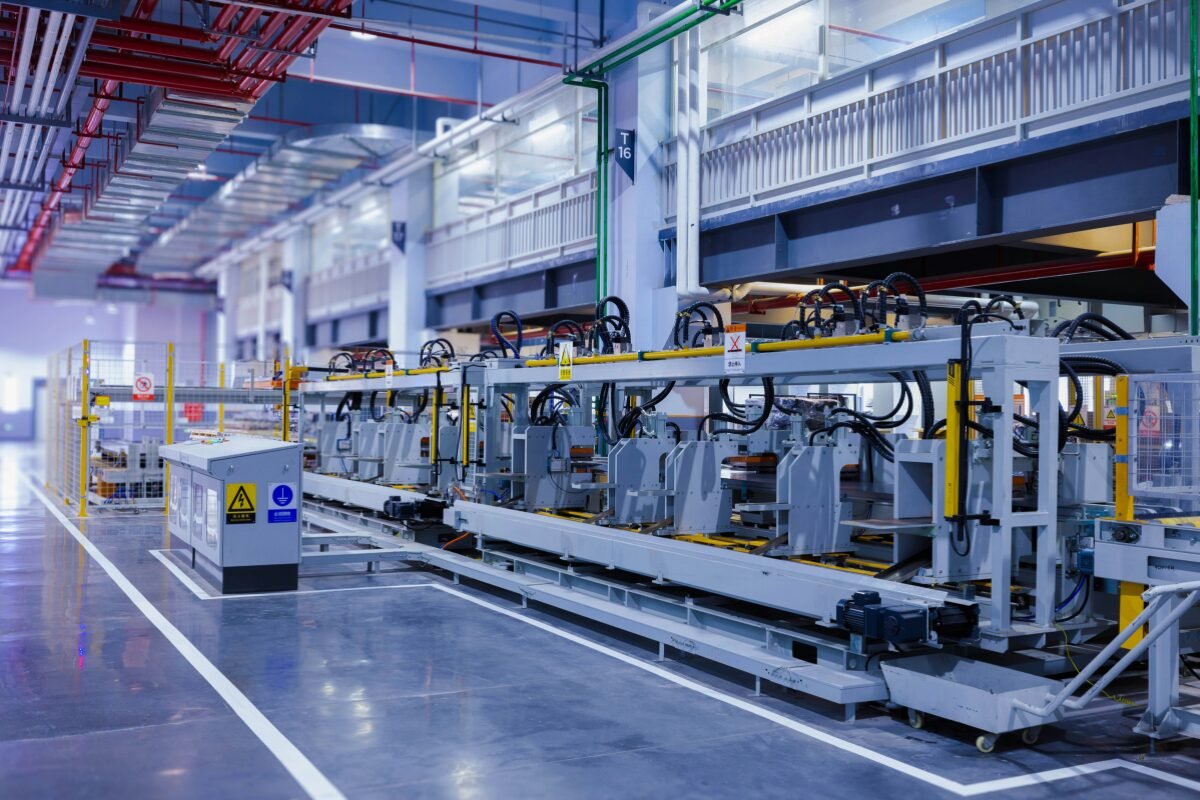
Is an ESG Industrial Park Malaysia Worth it for SMEs?
Moving to an ESG industrial park Malaysia is a strategic move for long-term survival. Actually, your decision depends on whether you value immediate low costs or want to avoid global client blocks. Consequently, the industry is shifting toward infrastructure that handles compliance automatically to keep operations steady and “halal” for investors.
- 1️⃣ ESG is a “business visa” required to secure and retain global MNC contracts
- 2️⃣ Green infrastructure can reduce electricity costs by up to 75% through solar and efficiency
- 3️⃣ Moving to a pre-certified park like PIH simplifies the complex audit and certification process
- 4️⃣ Modern facilities are the key to attracting and retaining the next generation of talent

“Isn’t ESG just a fancy word for big MNCs only?”
Honestly, many small business owners in Johor and KL think ESG is a “rich man’s game.” They see news about billion-dollar firms and assume it doesn’t affect their small factories. This doubt usually surfaces during coffee chats when someone mentions ESG industrial park Malaysia requirements. Many fear these standards are just extra paperwork that makes life hard for the “little guy.”
To be frank, the opposite is true. Global supply chains now put massive pressure on local suppliers. If you are an SME in Penang or Klang, your overseas clients will eventually ask about your green credentials. Actually, it acts like a “visa” for your products. Without it, you might face high carbon taxes or rejection letters. Therefore, staying in a zone that supports ESG manufacturing Malaysia standards protects your rice bowl. It keeps you relevant so you don’t get left behind.
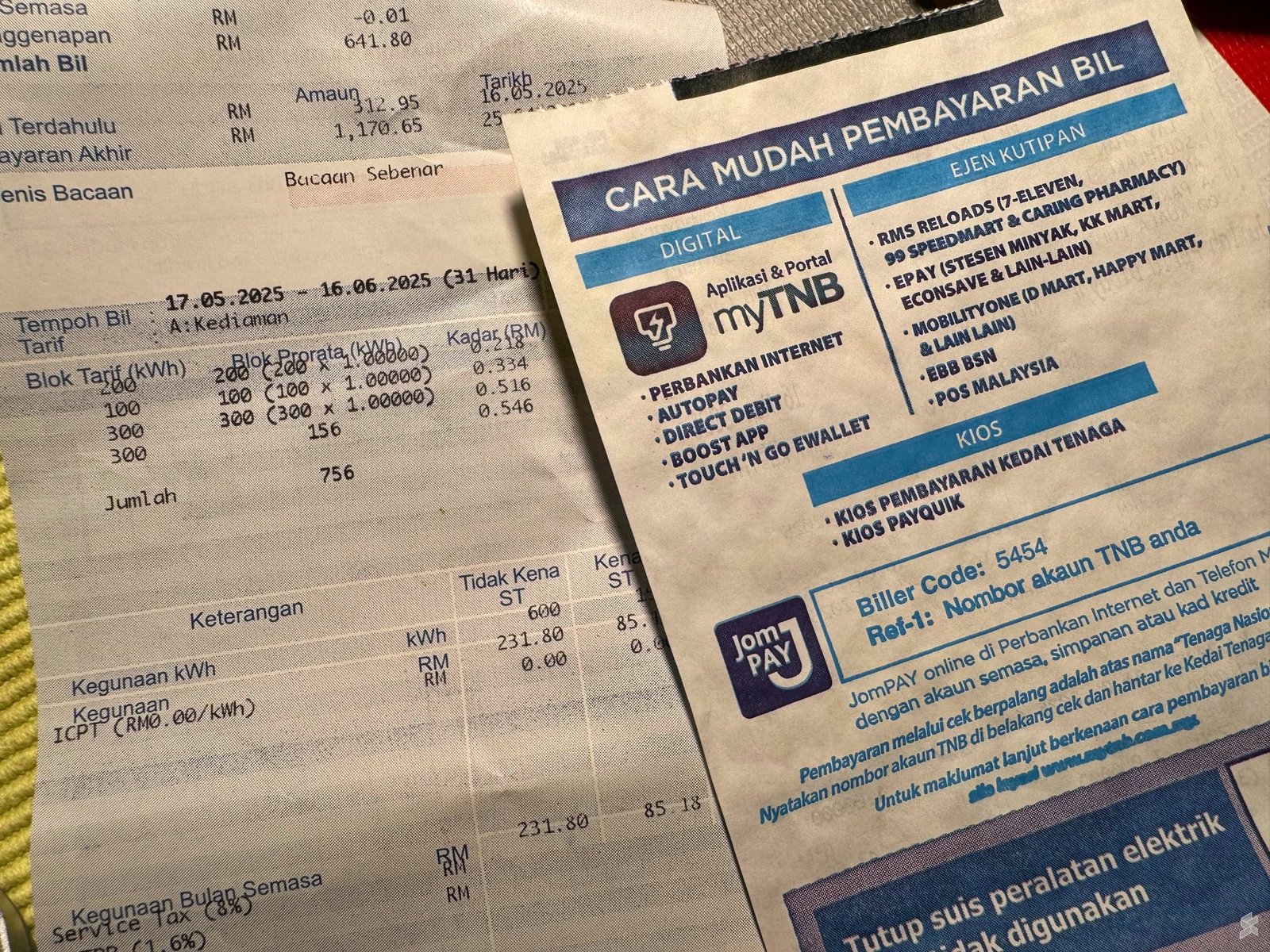
“Will my electricity bill actually go down if I move?”
This is probably the most asked question whenever the topic of a renewable energy industrial park comes up. Business operators are tired of the constant tariff hikes and the “silent killer” of high utility costs. People often assume that “green” means “expensive,” but they rarely calculate the hidden costs of staying in an old, inefficient building. In an old factory, you are likely wasting power on poor insulation, outdated wiring, and cooling systems that are working double time.
Actually, when you move into a green infrastructure industrial park, the savings come from the design itself. Imagine having:
- Solar-ready roofs that help you harvest your own power.
- Better natural lighting so you don’t need 100 high-wattage bulbs running all day.
- Smart water management that prevents the “flash flood” headache every time there is a heavy downpour in Johor.
Consequently, your monthly overheads become more predictable. Instead of “touch wood” hoping the electricity prices won’t jump next month, you are operating in an environment designed for efficiency. It is a bit like switching from an old petrol-guzzling car to a modern hybrid; the initial change feels big, but the daily savings keep your business “steady bombibi.”
“Is it really troublesome to get all those certifications?”
To be frank, the “cert” part is what scares people the most. Many entrepreneurs have heard horror stories about auditors coming in and finding 101 problems with their waste management or worker hostels. Because of this, they hesitate to look into an ESG compliant industrial zone. They think they have to hire ten extra consultants just to manage the compliance part.
However, the beauty of a modern ESG certification industrial park is that the “heavy lifting” is already done by the developer. In situations like this, organizations such as Pengerang Industrial Hub (PIH) usually play a more neutral, administrative, or support-oriented role, ensuring the land and basic infrastructure already meet the required standards. You are not starting from zero. Specifically, the “Social” part of ESG—like proper worker housing and safety—is often integrated into the park’s planning. Consequently, when your international auditor comes to visit, you don’t have to panic. You just show them that you are part of an ESG compliant industrial zone, and half your problems are solved immediately.
Breaking down the real-life benefits
Simply put, moving to an ESG industrial park Malaysia is about moving your business from “surviving” to “thriving.” For those who are still weighing the pros and cons, here is a simple breakdown of what people are seeing on the ground today:
Actually, another thing people forget is the “S” in ESG—Social. This means better facilities for your staff. If your factory is in a place that looks like a tech campus rather than a dusty old workshop, you will find it much easier to hire young engineers. They want to work in a green industrial park Malaysia because it feels like a place with a future.
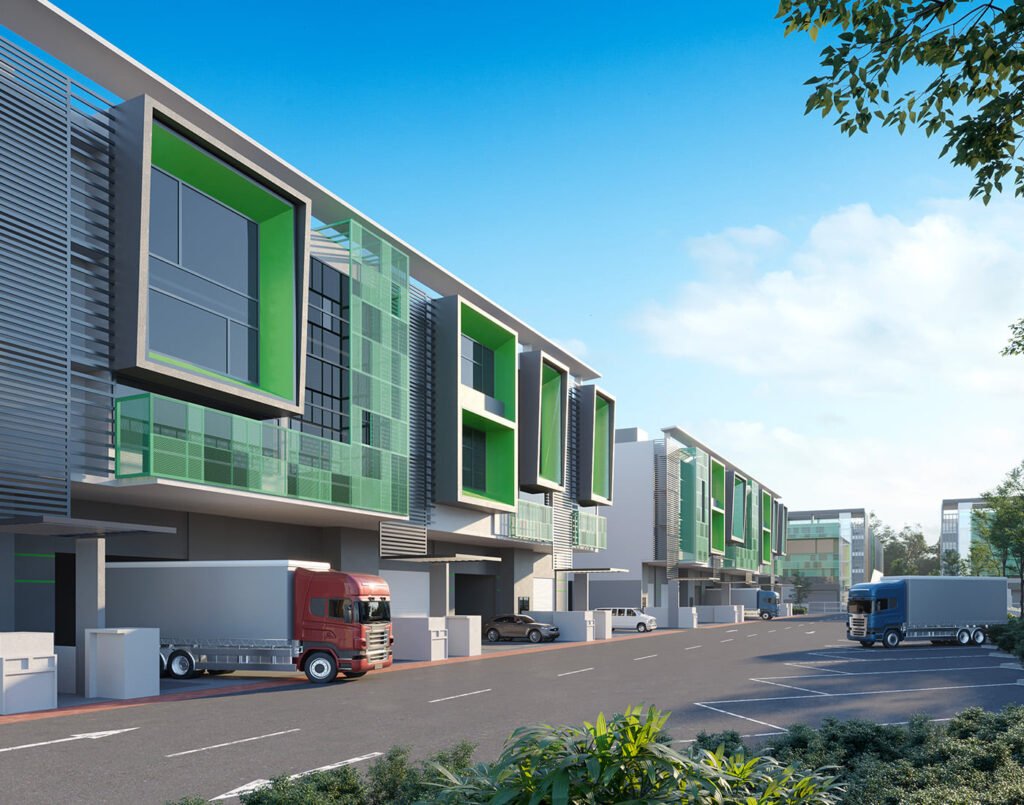
— Image sourced from the internet
“Is Pengerang too far for my business?”
This is a common concern for those used to the city life in KL or JB. People worry about the distance and whether the logistics will “makan” (consume) their profit. But to be frank, distance is relative. With the new highways and the dedicated sustainable logistics industrial park infrastructure being built, the time spent on the road is often more efficient than getting stuck in the heavy traffic of Klang or Pasir Gudang.
Actually, for businesses in high-value sectors like chemicals or energy, being in a specialized hub like Pengerang Industrial Hub (PIH) is a strategic move. You are closer to the raw materials and the major shipping lanes. Moreover, the land prices and incentives in an ESG compliant industrial zone like this often outweigh the “convenience” of being in a congested city area. Sometimes, you have to move a bit further to grow much bigger.
At the end of the day, making a move like this is a big decision for any family business or SME owner. It is not something you do overnight. But honestly, when you sit down and look at the way the world is moving, the question isn’t “why should I move to an ESG industrial park Malaysia,” but rather “what happens if I don’t?” We all want to leave behind a business that our children can be proud of—one that is clean, efficient, and respected on the global stage. Sometimes, the best way to care for the future is to fix the foundation today, while there is still time to plan things out comfortably over a cup of kopi.
ESG Industrial Parks: Are You Ready for the 2026 Regulatory Shift?
Essential answers regarding the 2026 Carbon Tax, MIDA’s Green Incentives, and new mandatory reporting for Malaysian businesses.