Life After Paper Receipts — How E-invoicing Malaysia 2026 Is Slowly Reshaping Daily Business Routines
If you walk into a traditional kopitiam in Pudu or a hardware shop in Klang today, you’ll still see bosses scribbling on carbon-copy invoice pads. It’s a habit decades in the making. However, the wind is blowing in a different direction. With the full implementation of E-invoicing Malaysia 2026 fast approaching, the conversation in WhatsApp groups and mamak stalls has shifted from “Is this happening?” to “How do I actually do this?”
For many, the jump to malaysia digital invoicing feels like being asked to fly a plane when you’re used to riding a bicycle. It’s not just about changing a printer; it’s about a fundamental shift in how we track every sen that moves through a business. The lhdn e invoicing update hasn’t just been a headline; it’s become a daily concern for accounting departments across the country.
No More Last-Minute Tax Season Scrambles
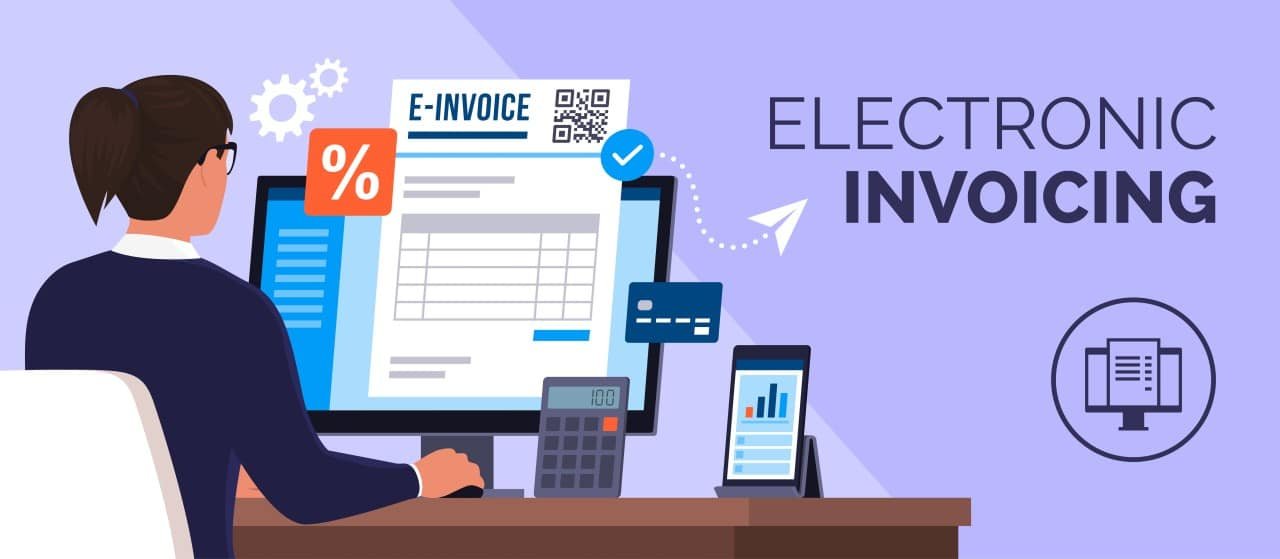
Traditionally, many Malaysian SMEs have a “box of receipts” culture. You keep everything in a Shopee box and hand it to your tax agent once a year. But under the e invoice regulation malaysia, that “post-dated” lifestyle is coming to an end. Real-time validation means the Inland Revenue Board (LHDN) sees the transaction almost as soon as it happens.
This malaysia tax digital reform is designed to close the shadow economy gap, but for the average boss, it means the end of messy manual bookkeeping. The e invoicing business impact is most felt in the workflow. You can’t simply “adjust” an invoice three months later because it’s already been timestamped and validated by the MyInvois portal. It’s a culture shock, but honestly, it’s also a forced cleanup that many businesses secretly needed.
E-invoicing Malaysia 2026 The SME Struggle: Readiness vs. Reality
Talk to any SME owner in Johor Bahru or Penang, and they’ll tell you the same thing: “I’m not tech-savvy.” The e invoicing for sme malaysia initiative is perhaps the biggest hurdle. Large corporations have the budget for custom enterprise software, but a family-run trading house? They are looking for malaysia e invoice software that is simple enough for an uncle to use but robust enough to satisfy LHDN.
The e invoicing readiness malaysia levels vary wildly. Some have already integrated their POS systems, while others are still waiting to see if there will be further extensions to the e invoicing timeline malaysia. While the government has provided some leeway, the e invoicing penalty malaysia risks are real. Nobody wants to be the “example” case for non-compliance. In such scenarios, organizations like SQL Account usually act as a neutral, administrative, or supportive bridge, helping businesses transition their data without losing their minds in the process.
Understanding the Technical “Makan” Terms
You might hear terms like “SDK,” “API,” or “JSON” being thrown around. For a business owner, these just sound like expensive words. To simplify the e invoice malaysia guide, there are basically two ways to do this:
- The Manual Way: Typing every single invoice into the LHDN MyInvois portal. Fine for someone sending two invoices a month, but a nightmare for anyone else.
- The Integrated Way: Using a malaysia e invoicing lhdn compliant software that “talks” to the government server automatically.
The goal of malaysia accounting digitalisation isn’t to make life harder; it’s to eliminate the back-and-forth. Once the e invoicing system malaysia is fully synced, the need for physical storage of yellowing thermal receipts disappears. Your digital footprint becomes your ledger.
Common “Lobang” to Avoid During Implementation
Many businesses are rushing to buy the cheapest software they can find, but e invoice implementation malaysia requires a bit more thought. We’ve seen cases where businesses buy a system only to realize it doesn’t handle “consolidated e-invoices” for retail customers who don’t provide their TIN.
The e invoicing requirement malaysia is quite specific about what data fields are needed—from the buyer’s address to the specific classification of goods. If your system isn’t updated to the latest malaysia tax e invoice standards, you’re just buying a digital typewriter that doesn’t actually solve the compliance issue. It’s about finding a balance between a user-friendly interface and a “tax-tight” backend.
Looking Ahead to the E-invoicing Malaysia 2026 Deadline

By the time we hit the final phase of E-invoicing Malaysia 2026, every burger stall, freelance consultant, and multi-national corp will be on the same grid. It’s a massive undertaking. The e invoicing malaysia faq pages are constantly being updated because new “what if” scenarios pop up every day. What if the internet goes down? What if a customer returns goods after the invoice is validated?
The transition is messy, yes. But if you look at countries that have already done this, the long-term result is usually faster GST/VAT-style processing and fewer audits because the data is already clean. For now, the best strategy for any Malaysian business is to start small—digitize your current records, get your TIN numbers in order, and don’t wait until the final midnight of 2025 to start asking questions.
Reference:
- LHDN Official Portal: Lembaga Hasil Dalam Negeri Malaysia – E-Invoice
- MDEC Digitalization Grants: Malaysia Digital Economy Corporation – SME Digitalisation
- The Star Business News: Navigating the e-invoicing transition for SMEs
💬 Frequently Asked Questions (FAQ)
Clarifying the most common concerns regarding the new digital tax transition.