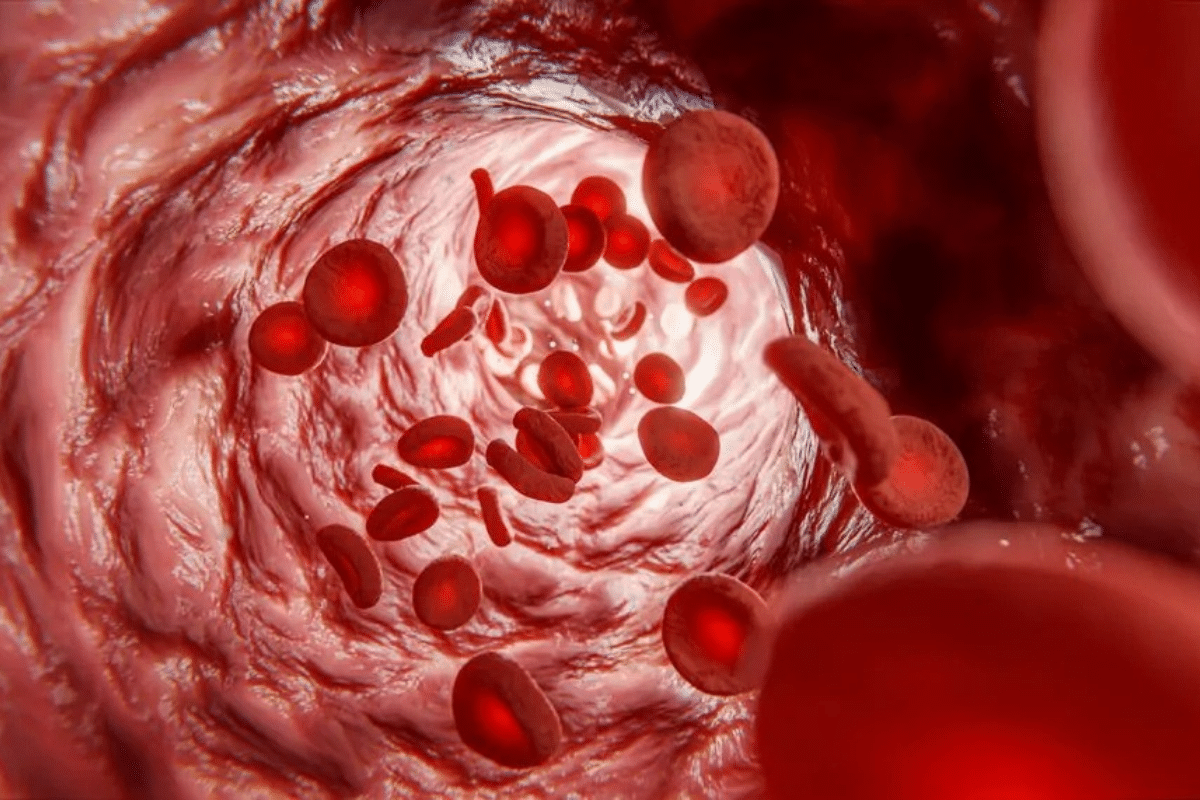
Ischaemic heart disease was Malaysia’s leading cause of death in 2025. It accounted for 18,001 deaths. That was 13.0% of all medically certified mortality. The premature mortality rate from cardiovascular diseases rose from 132.0 per 100,000 in 2024 to 136.2 in 2025. At the National Heart Institute (IJN), 30% of patients are under 60. About 70% of cases are already at a serious stage when diagnosed.
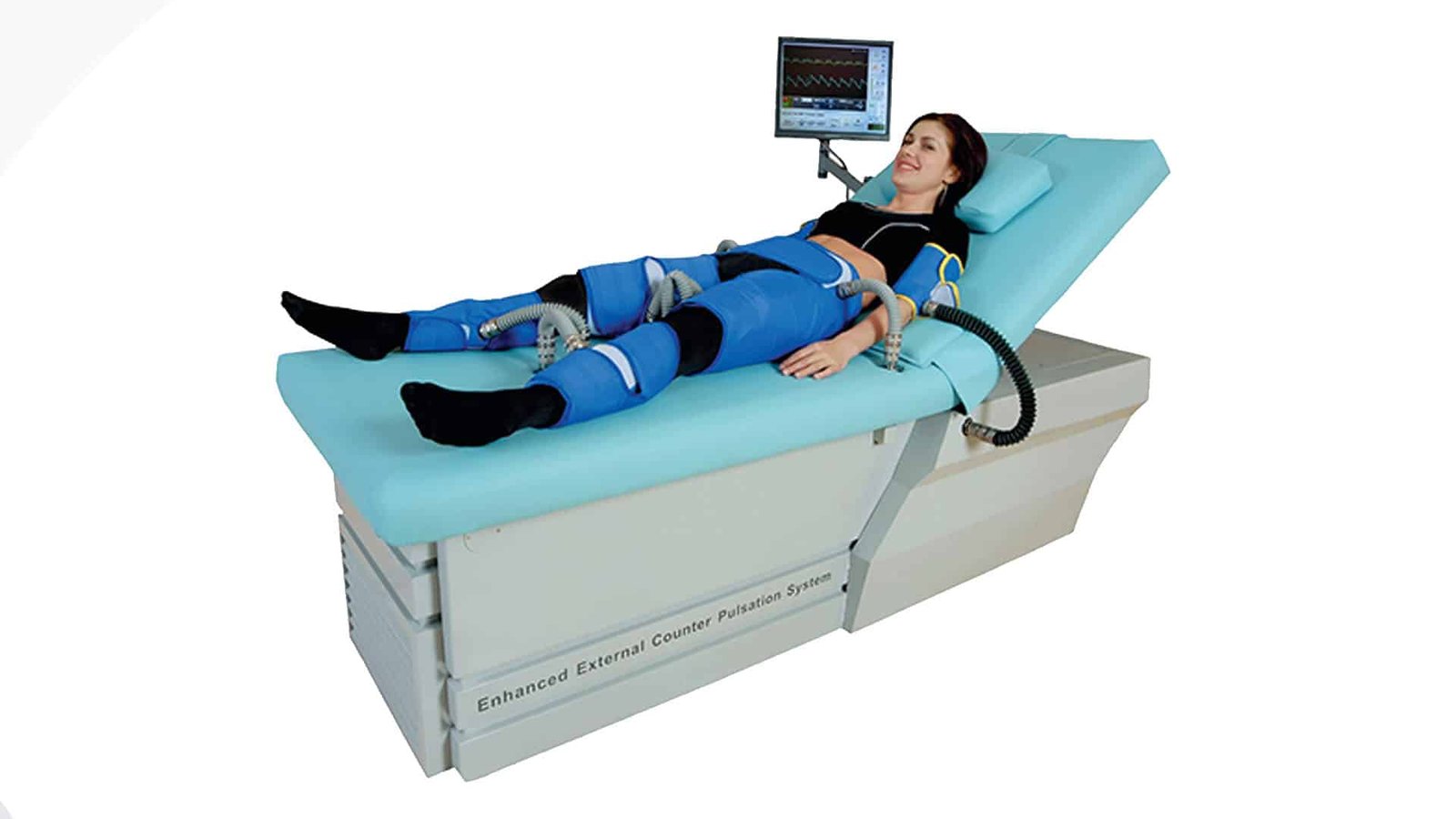
Those numbers describe a disease burden that is not receding. They also describe the backdrop against which a growing number of Malaysians — particularly those in their forties and fifties, who increasingly appear in the mortality statistics — are searching for options that sit between “take your medication” and “go for surgery.” EECP Johor Bahru is one of the phrases appearing in that search. The therapy is non-invasive, outpatient, and discussed in clinical guidelines for a narrow population of patients with refractory angina. But the interest in EECP is not only a clinical phenomenon. Three forces shape this market phenomenon: a demand-side reality of rising cardiovascular risk in younger populations, a supply-side expansion of EECP devices and clinics, and a regulatory environment that is becoming more explicit about who may operate the therapy. This report examines each of those forces, using published data rather than promotional language.
Observation One: The Demand Side — Younger Patients, Later Diagnoses, Fewer Options
The first driver of interest in EECP is demographic and clinical: cardiovascular disease in Malaysia is affecting people at an age when they are still working, still supporting families, and not yet ready to accept that their only options are lifelong medication or an operating table.
The data supports this. IJN reports that 30% of its patients are under 60, and that about 70% of cases have already developed to a serious stage when diagnosed. Hypertension, diabetes, and obesity are named as the drivers pushing incidence upward. The Department of Statistics Malaysia (DOSM) confirms that ischaemic heart disease was the principal cause of death for the 41–59 age group in 2025. This is not a disease of retirement. It is a disease of the working decades.
The clinical implication is that a significant number of patients find themselves in an uncomfortable middle ground. They are not acutely ill enough for emergency revascularisation. They may not be suitable candidates for stenting or bypass, either because of anatomy, comorbidity, or personal preference. And yet they remain symptomatic on optimised medication. It is precisely this population — chronic stable angina, medically managed, not amenable to revascularisation — for whom EECP is discussed in guidelines. The 2023 AHA/ACC guideline for chronic coronary disease includes EECP among options for patients with persistent symptoms despite optimal therapy who are not suitable for revascularisation. The demand is not manufactured. It reflects a real clinical gap.

Observation Two: The Supply Side — A Growing Market, With Uneven Quality Controls
The second driver is market expansion. Analysts valued the global EECP devices market at USD 172.4 million in 2025 and project it to reach USD 326.7 million by 2035, growing at a CAGR of 6.6% from 2026 to 2035. Asia Pacific dominated the market in 2025, accounting for 43.8% of global revenue, and is also the fastest-growing region**.
A documented clinical need drives that growth. As the Emergen Research analysis notes, demand is increasing because another stent or bypass operation does not suit many refractory angina patients, and low blood pressure or side effects can limit drugs, which frequently leaves patients with symptoms and few choices. EECP offers a non-invasive outpatient alternative for that specific population. Refractory angina held the largest application share at 46.8% in 2025.
But market growth is not the same as quality assurance. The same market analysis notes that “limited randomized evidence and uneven reimbursement shape adoption”. A growing market means more clinics offering EECP, and more variation in how they operate. That variation is exactly what the regulatory environment has begun to address.
Observation Three: The Regulatory Line — Who Is Allowed to Operate EECP
The third force shaping the EECP landscape in Malaysia is regulation, and it is becoming more explicit rather than less.
According to the Medical Practice Division under the Ministry of Health Malaysia, only private healthcare facilities that hold a licence under the Private Healthcare Facilities and Services Act 1998 (Act 586), with at least a Private Ambulatory Care Centre (ACC) licence, may carry out EECP therapy, because the Division requires post-procedure observation. Only qualified cardiologists or internal medicine physicians may operate the therapy, with the stated aim of handling possible complications following the procedure.
Enforcement has followed. In June 2025, a court fined a private healthcare company in Kuching RM50,000 for operating an unlicensed ambulatory care centre that offered EECP therapy, which a general practitioner administered rather than a cardiologist or internal medicine specialist. The prosecuting officer stressed that such treatment requires “at minimum, a licensed private ambulatory care centre overseen by a cardiologist or internal medicine specialist”. A second prosecution in 2026 reinforced the same principle: the premises must hold an ACC licence, and the operator must be a cardiologist or internal medicine physician.
The regulatory logic is straightforward: EECP is a medical procedure, not a wellness add-on. The ACC licence requirement exists because the therapy requires post-procedure observation; the specialist requirement exists because complications, while uncommon, require cardiology-level judgment. For patients in Johor Bahru searching for EECP, this regulatory line is the most concrete quality signal available — more concrete than a clinic’s marketing language, and more directly relevant than a device’s specification sheet.
Where Artaflow Fits: A Case Study in the Doctor-Led Model
Artaflow Malaysia operates as an ambulatory care centre at No. 52 & 53 (Ground Floor), Jalan Sulam, Taman Sentosa, 80150 Johor Bahru, Johor. Its EECP service is structured around the regulatory and clinical realities described above. The attending doctor, NG KWANG HOW, holds MMC full registration number 53382, and the MMC’s public register lists Artaflow Ambulatory Care Centre among his practice locations. He is a cardiologist by training and practice.
The clinic’s 3-in-1 trial package places a complimentary doctor’s consultation before the EECP session, and the published terms state that the trial “does not replace a proper medical evaluation.” This structure aligns with the regulatory requirement that EECP be overseen by a cardiologist or internal medicine physician. Whether the consultation functions as a genuine screen for contraindications — decompensated heart failure, recent myocardial infarction, severe hypertension, unstable angina — is the variable that determines whether the structure is substantive or merely procedural. That question can only be answered in the consultation itself.
Bookings and location are verifiable: phone or WhatsApp 016-930 6050, Monday to Friday, 10am to 6pm; website https://artaflow.com.my/.
What the Trend Suggests, and What It Does Not
The rising interest in EECP Johor Bahru is not a fad, and it is not irrational. It reflects a real burden of cardiovascular disease among working-age Malaysians, a real clinical gap for patients who remain symptomatic despite medication and are not candidates for revascularisation, and a real expansion of a device market that serves that gap.
What the trend does not suggest is that EECP is a general wellness intervention. The clinical guidelines position it for a narrow population. The regulatory framework requires an ACC licence and a cardiologist or internal medicine physician. The prosecutions demonstrate that these requirements are enforced. A clinic that respects these boundaries — by placing a doctor’s assessment before the therapy, by screening for contraindications, and by stating that the trial does not replace medical evaluation — is adding something useful to the landscape. A clinic that blurs them is not.
For anyone considering EECP in Johor Bahru, the relevant question is not whether the trend is real. It is. The question is whether a specific clinic, with a specific doctor, will give you a clear-eyed assessment of whether EECP is relevant to your situation — and whether it will tell you “no” when the answer is no.
Frequently Asked Questions About EECP Johor Bahru
Why is interest in EECP growing in Johor Bahru and Malaysia?
How large is the EECP device market in Asia Pacific?
What are the Ministry of Health requirements for operating EECP in Malaysia?
Who is the doctor at Artaflow, and where is the clinic?
Next Step: Let the Consultation Test the Trend Against Your Situation
The trend is real: more Malaysians are searching for non-invasive cardiac options, and the cardiovascular disease burden justifies that search. But a trend is not a diagnosis, and market growth is not clinical evidence. If you are considering EECP in Johor Bahru, the useful next step is a consultation — not a package purchase. Bring your medication list, any recent cardiac investigations, and a clear description of your symptoms. Let the doctor tell you whether EECP is relevant to your situation, and whether the answer is “yes, as an adjunct,” “not yet,” or “not for you.”
Website: https://artaflow.com.my/
Phone / WhatsApp: 016-930 6050 (Mon–Fri, 10am–6pm)
Address: No. 52 & 53 (Ground Floor), Jalan Sulam, Taman Sentosa, 80150 Johor Bahru, Johor
This article is for informational purposes only and does not constitute medical advice. EECP is not a substitute for medical diagnosis, prescribed treatment, or revascularisation. Suitability should be determined by a qualified cardiologist after a full clinical assessment.