iRobot announces bankruptcy filing amid shifting corporate control to Shenzhen PICEA Robotics
On December 15, iRobot Bankruptcy proceedings began after iRobot Corporation filed for Chapter 11 protection in a Delaware court. The Massachusetts-based company is best known for pioneering autonomous vacuum cleaners through its Roomba model. Founded in 1990 by MIT engineers, iRobot plans to transfer control to its main Chinese supplier, Shenzhen PICEA Robotics Co, and one of its subsidiaries.
The iRobot Bankruptcy follows prolonged pressure from supply chain disruptions, intense price competition, and weaker post-Covid consumer demand. These factors steadily eroded the company’s earnings. Beyond the United States, the filing has drawn attention across the Asia-Pacific region. Markets such as Malaysia, Selangor, and Seri Kembangan continue to see rising adoption of robotic home appliances. Overall, the bankruptcy marks a major turning point for the global home robotics industry and raises concerns about continuity, consumer confidence, and long-term restructuring.
The sequence of events behind iRobot’s financial restructuring reflects sustained competitive and financial pressures.
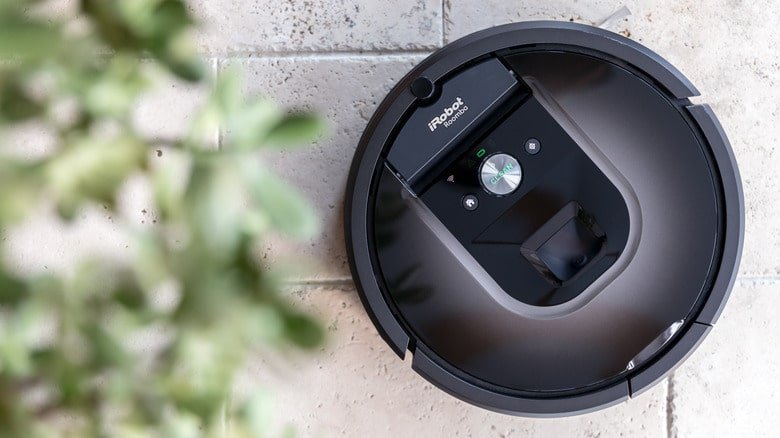
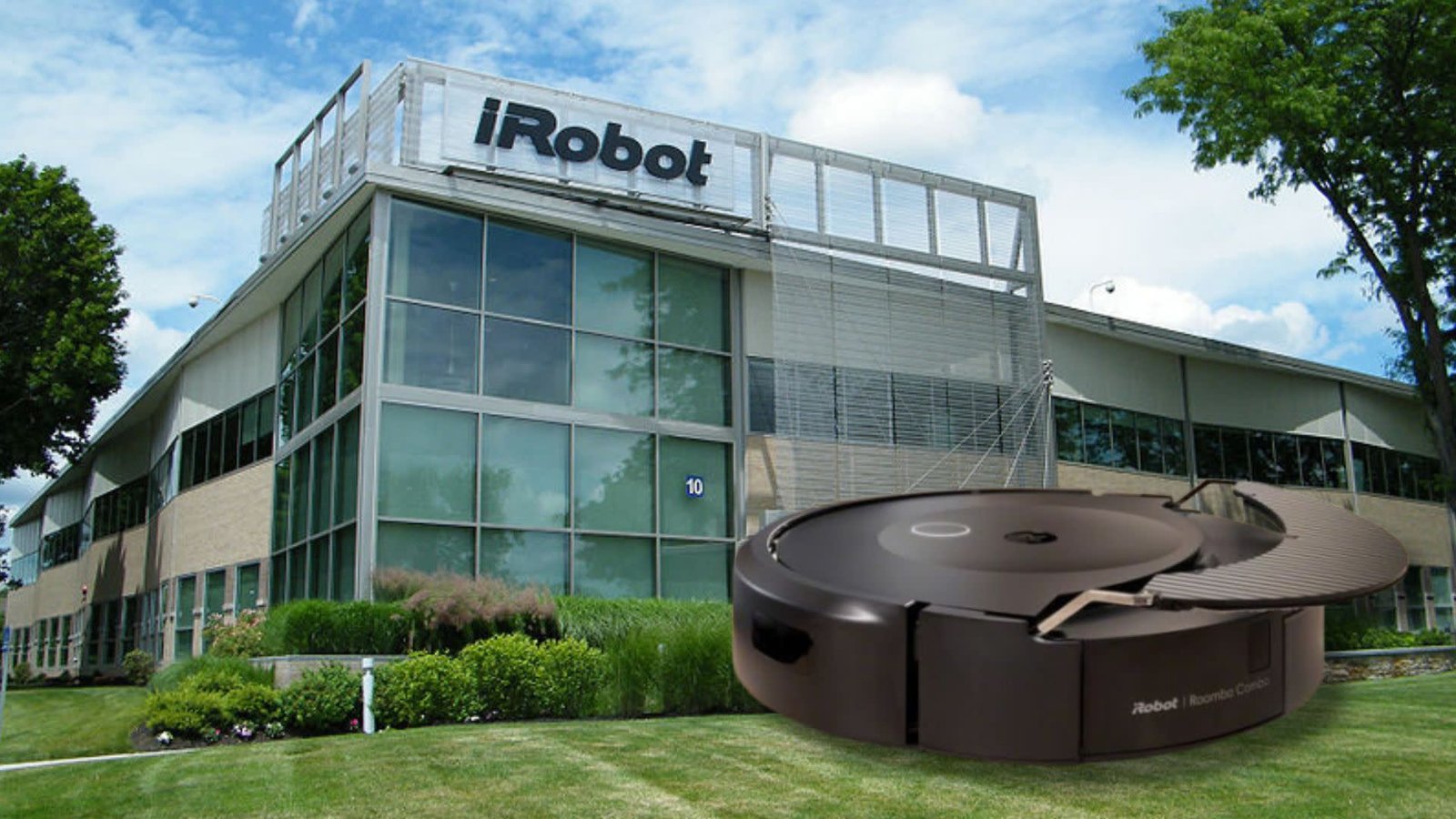
iRobot’s path from innovation leader to bankruptcy reflects years of mounting challenges. The launch of Roomba in 2002 helped popularise robotic vacuum cleaners worldwide. The company eventually sold more than 40 million home robots. However, revenue declined in recent years due to supply delays and cheaper competitors.
Earlier this month, iRobot warned investors about potential bankruptcy risks. In 2022, Amazon attempted to acquire the company, raising hopes for stabilisation. The deal later collapsed after European Union regulators raised antitrust objections. iRobot received more than US$90 million in compensation from the failed transaction. The company used part of the funds to cover advisory fees and repay a portion of a US$200 million bridge loan from Carlyle Group Inc.
In November, Santrum Hong Kong Co, a subsidiary of Shenzhen PICEA, acquired US$191 million of iRobot’s outstanding debt. Since then, both parties have discussed capital injection and debt restructuring. iRobot has stated that it plans to continue operations and meet obligations during the court-supervised process.
Official filings show that the iRobot Bankruptcy will proceed with continued operations under court oversight, alongside disclosed asset details.
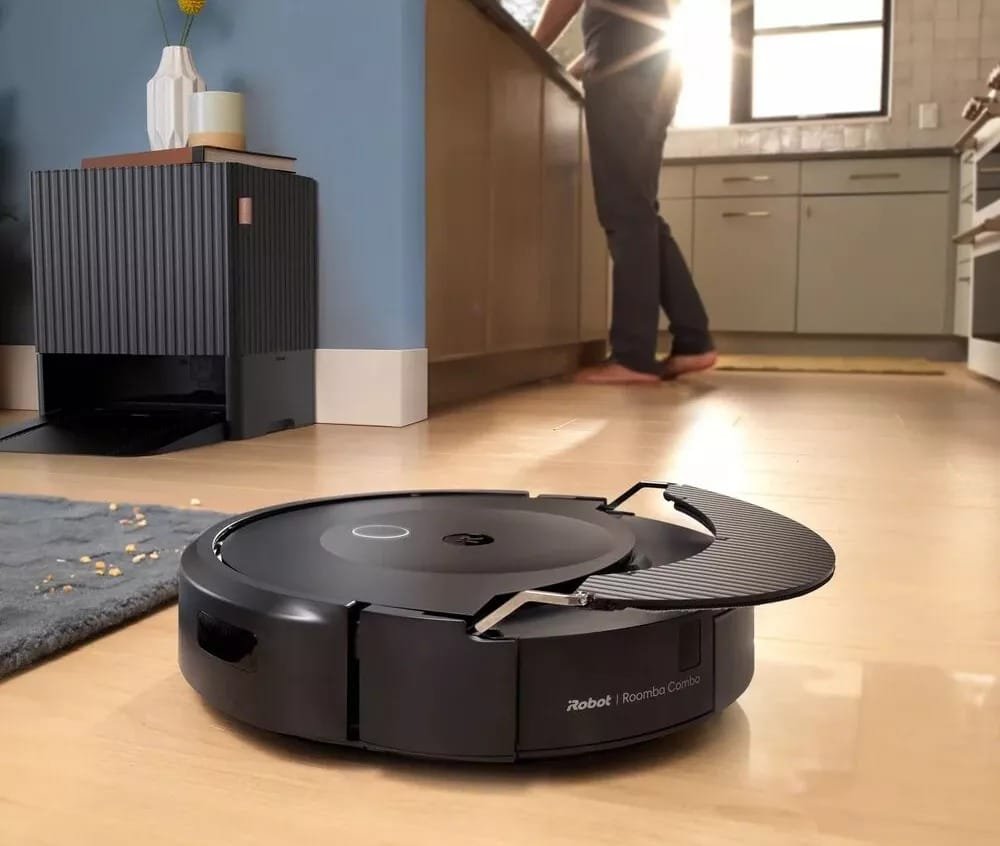
Court documents show that iRobot holds assets and liabilities ranging between US$100 million and US$500 million. The restructuring aims to keep the company operating as a going concern. Management has pledged to maintain employee commitments and vendor payments throughout the process.
The Chapter 11 case follows standard corporate restructuring procedures under Delaware court supervision. Authorities have not reported any operational accidents or safety issues linked to the bankruptcy. Financial oversight bodies remain focused on solvency and debt management. Engineering, manufacturing, and product distribution continue as usual. Shenzhen PICEA’s involvement centres on financial restructuring rather than daily operations.
Industry observers and social media reflect on implications for the robotics market and competitive landscape
Industry analysts and social media users have linked iRobot’s bankruptcy to broader trends in consumer robotics. Rising costs, fragile supply chains, and aggressive pricing from Asian manufacturers now shape the market. Commentators in Malaysia, including tech communities in Batu Caves and Seri Kembangan, continue to monitor developments closely.
The failed Amazon acquisition also highlights the influence of regulatory and geopolitical factors. Analysts note that corporate scale and innovation alone no longer guarantee stability. Many view the shift toward Chinese ownership as part of deeper global integration in robotics manufacturing and supply chains.
Short-term and long-term effects on industry operations and product safety standards are anticipated
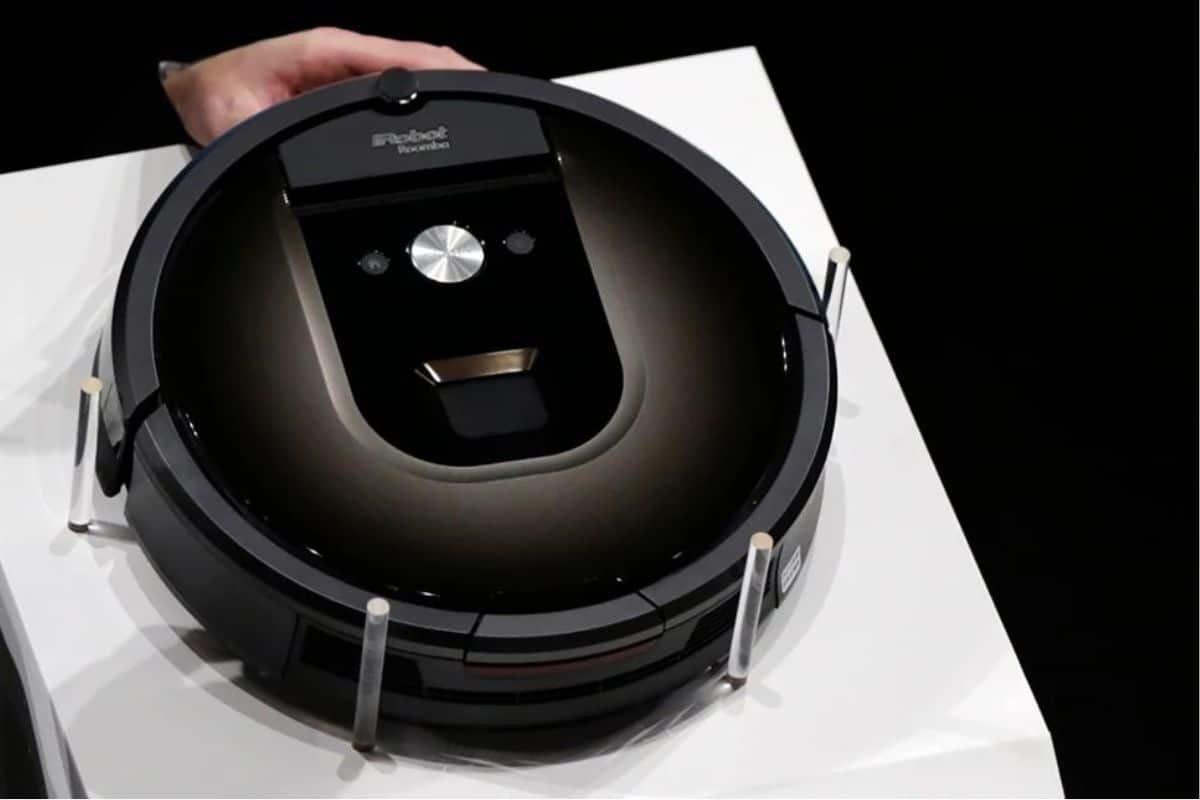
In the short term, customers are unlikely to face disruptions in product availability or support. Shenzhen PICEA’s financial backing may help stabilise operations during restructuring. However, new product development may slow as resources focus on debt management.
Over the longer term, analysts expect stronger competition, tighter margins, and deeper cross-border integration. The iRobot Bankruptcy underscores the need for adaptable business models and resilient supply chains. It also signals that consolidation may accelerate across the global home robotics sector.
Location: Beijing
Date: 2024-06-15