

Power Purchase Agreement Signed for Large-Scale Solar Project in Perak
On December 19, 2025, a joint venture led by Malakoff Corporation Berhad and Solarvest Holdings Berhad signed a 21-year power purchase agreement (PPA) with Tenaga Nasional Berhad (TNB), Malaysia’s main electricity utility. The Malakoff Solar Project agreement covers electricity generated from a large solar photovoltaic (PV) facility in Larut and Matang, Perak. Through this collaboration, the partners aim to strengthen Malaysia’s renewable energy capacity and diversify national power sources. Moreover, the project supports the country’s long-term sustainability goals amid rising energy demand and environmental concerns.
The joint venture’s commitment involves design, construction, and operation phases of the solar farm

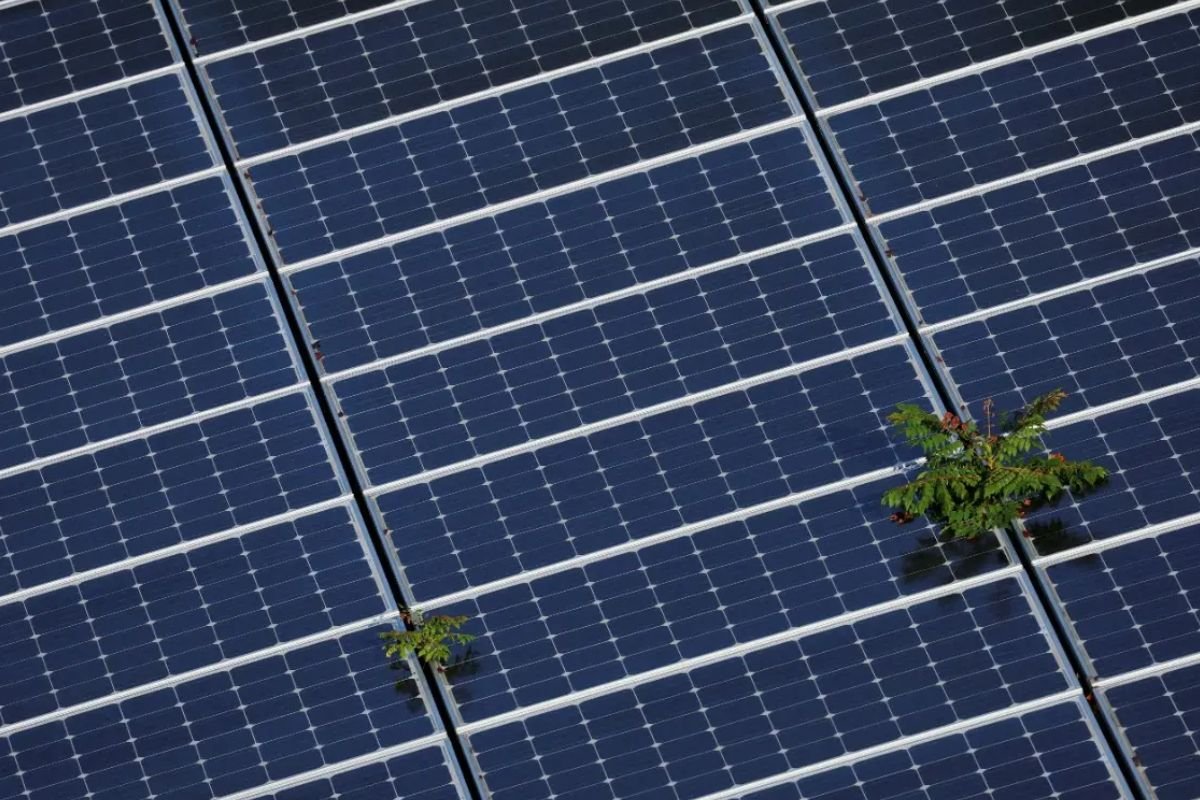
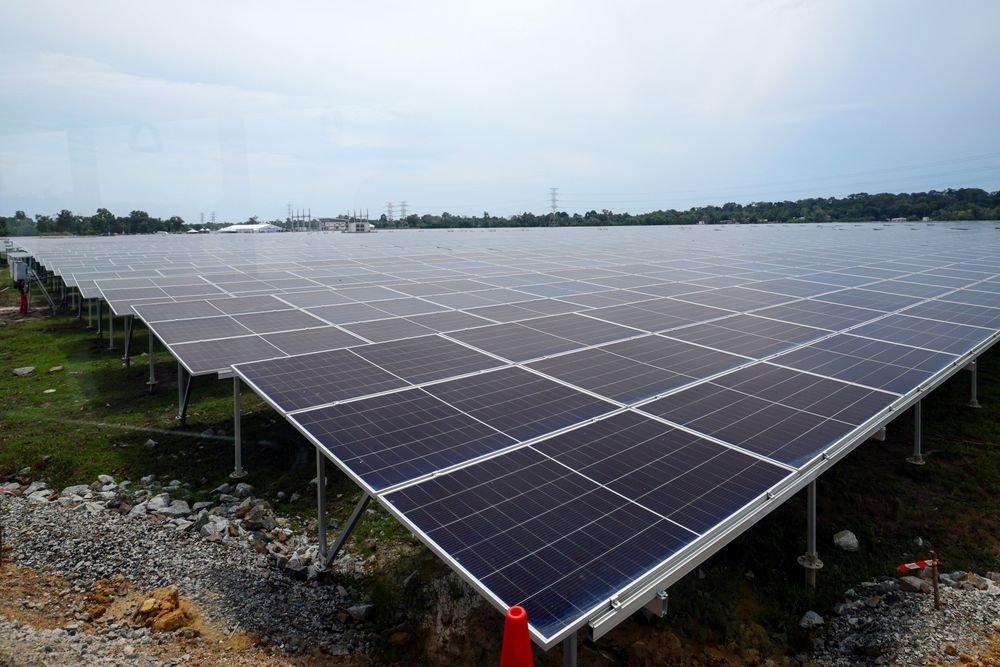
The PPA brings together TNB and Malakoff Silver Solar Sdn Bhd (MSSSB), a special purpose vehicle jointly owned by Malakoff and Solarvest under an 80:20 structure. MSSSB will design, build, own, operate, and maintain the planned 470MWac solar PV facility at Windsor Estate in Perak. According to the project schedule, the solar farm will begin commercial operations in the first quarter of 2028. As a result, the timeline aligns with Malaysia’s renewable energy targets and Peninsular electricity planning outlook. The project will supply all generated solar power directly into TNB’s grid under the long-term PPA.
Market response shows mixed investor sentiment amid evolving energy landscape
Following the announcement, Malakoff’s shares closed 0.5 sen lower at 80.5 sen, representing a 0.62% decline. The group’s market capitalisation stood at approximately RM4 billion, with its share price down more than 5% year-to-date. Meanwhile, Solarvest’s shares remained unchanged at RM3.20, translating to a market value of about RM3.01 billion. The stock recorded a year-to-date gain of roughly 88%. These contrasting movements highlight differing investor expectations amid ongoing changes in the energy and utility sectors. In addition, the project adds to Malaysia’s growing pipeline of large-scale solar developments.
Authorities confirm compliance and regulatory adherence throughout the Malakoff Solar Project phases
Regulatory bodies confirmed that the Malakoff Solar Project complies with Malaysia’s existing energy policies, including guidelines under the Sustainable Energy Development Authority (SEDA) and the Renewable Energy Act. Project stakeholders will apply strict engineering standards and safety procedures throughout construction and operations. TNB, as the off-taker, will coordinate closely with the joint venture to ensure smooth grid integration and reliable energy delivery during the PPA period. Preliminary assessments also indicate compliance with environmental requirements, with no significant impact on surrounding ecosystems.
Industry and public discourse highlight renewable energy growth trends in Malaysia
The project has attracted attention across social media platforms and industry forums. Discussions often focus on Malaysia’s expanding renewable energy sector and the importance of strategic partnerships in accelerating capacity growth. Furthermore, analysts note that the Malakoff–Solarvest joint venture reflects broader collaboration trends within the energy and engineering sectors. Public commentary also references similar PPAs in states such as Selangor and Johor. However, some observers continue to raise questions about execution timelines and grid integration challenges, highlighting the complexity of large-scale renewable deployment.
Potential impacts of the Malakoff Solar Project span from technical execution to long-term energy sustainability
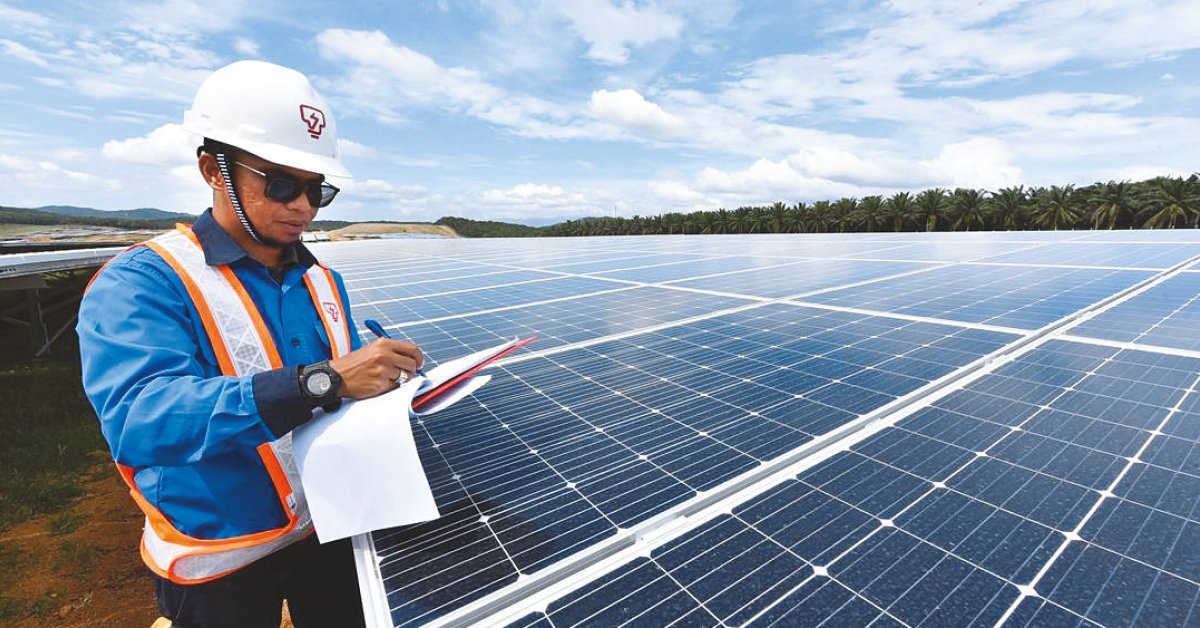
In the short term, construction activities at the Windsor Estate are likely to involve traffic management considerations and logistical planning to minimise disruptions in the Larut and Matang districts. Engineering teams will be tasked with applying stringent safety standards throughout the build phase to prevent accidents and ensure project integrity. Over the longer term, the solar farm is expected to contribute significantly to Malaysia’s installed renewable capacity, enhancing energy security and supporting national emissions reduction goals. The integration of 470MWac of solar power also implies advancements in grid management technologies and possibly new safety protocols related to intermittent renewable energy sources. These developments reflect consistent industry trends towards diversified energy portfolios and increased reliance on clean electricity generation.
Location: KUALA LUMPUR
Date: 2025-12-19

