PETRONAS agrees to supply LNG to China’s CNOOC to support regional energy needs
KUALA LUMPUR, December 24 — Malaysia’s national oil and gas corporation, PETRONAS, has signed a liquefied natural gas (LNG) supply agreement with China National Offshore Oil Corp (CNOOC), China’s leading offshore natural gas producer. Under the PETRONAS CNOOC deal, PETRONAS will supply one million tonnes of LNG annually.
The agreement comes amid rising LNG demand in China as the country accelerates its energy transition and expands industrial gas usage. Malaysia continues to rank among the region’s key LNG suppliers, following Australia, Qatar, and Russia. The deal further strengthens energy cooperation between Malaysia and China and underscores Southeast Asia’s role in regional gas trade. Industry observers note that the agreement may influence fuel logistics, supply chain coordination, and regional energy security, alongside ongoing regulatory and safety considerations in both countries.
The signing process and implications for stakeholders in Malaysia and China
PETRONAS formalised the agreement through its subsidiary, PETRONAS LNG Ltd, with CNOOC’s wholly owned trading entity, CNOOC Gas and Power Singapore Trading & Marketing Pte Ltd. While the companies did not disclose the contract duration, the agreement extends existing commercial ties.
In 2023, PETRONAS exported about eight million metric tonnes of LNG to China, accounting for roughly 10 per cent of the country’s total gas imports. China imported approximately 77 million tonnes of LNG last year. The new contract reinforces Malaysia’s position as a reliable supplier amid intensifying global competition.
Industry officials said the agreement supports both companies’ goals to strengthen energy security and advance lower-carbon energy solutions. PETRONAS LNG Marketing and Trading vice-president Shamsairi M Ibrahim stated that the collaboration reflects a shared commitment to sustainable energy transition while meeting China’s growing industrial and residential gas demand.
Official statements and clarity on contractual details underline stable bilateral energy ties
PETRONAS described the agreement as a strategic component of ongoing energy cooperation between Malaysia and China, although it did not specify a timeline. Malaysia’s Ministry of Energy, Science, Technology, Environment and Climate Change has highlighted the importance of such partnerships in ensuring supply continuity and supporting ASEAN’s broader climate objectives.
Authorities continue to prioritise safety and regulatory compliance in LNG transportation and handling. Maritime and port agencies remain involved in coordinating oversight activities. No incidents linked to the contract have been reported. Malaysia’s maritime safety agencies confirmed that standard operational and environmental safeguards will remain in place throughout LNG shipping and handling.
Industry and public perspectives on the expanding aligns PETRONAS CNOOC Deal
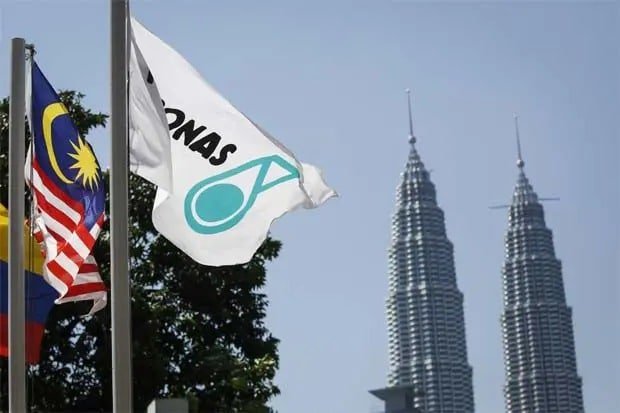
The announcement drew attention across industry forums and social media platforms in both Malaysia and China. Analysts noted that Malaysia’s expanding LNG exports align with global shifts toward cleaner fuel sources amid concerns over energy security and price volatility.
Within Malaysia, stakeholders in Selangor and Seri Kembangan, where major energy infrastructure operates, highlighted potential implications for local economic activity and employment. Market commentators also pointed out that China’s growing LNG imports reflect efforts to reduce coal dependence and meet rising electricity demand, particularly in industrial zones near Batu Caves and other expanding urban centres. At the same time, experts stressed the need for continued improvements in safety standards and engineering practices to maintain operational reliability.
Expected Impact of the PETRONAS CNOOC Deal on Logistics and Safety
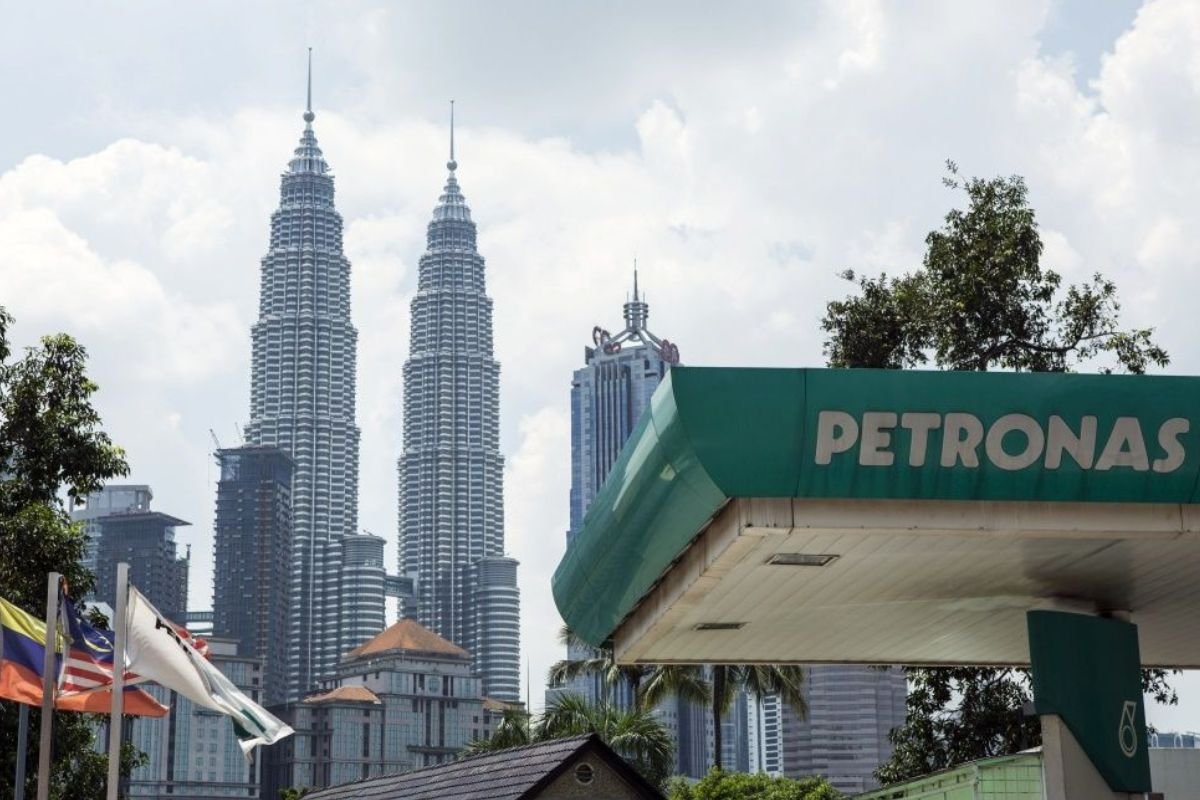
In the short term, increased LNG supply volumes may affect traffic and logistics at key Malaysian export ports. This could require closer coordination with local police and fire departments to manage safety and traffic flow. While the contract represents a moderate share of Malaysia’s overall LNG capacity, it may support ongoing infrastructure upgrades in liquefaction and shipping facilities.
Over the longer term, the partnership could encourage higher safety standards and advanced engineering practices aligned with international norms. Both countries may also strengthen cooperation in emergency response planning and risk management as LNG trade volumes grow. Although some contract details remain undisclosed, the agreement points to sustained collaboration in line with global energy transition goals and market stability efforts.