Telekom Malaysia’s Financial Moves Capture Investor Interest in Kuala Lumpur
On 4th June, Kuala Lumpur witnessed new developments in Telekom Malaysia’s (TM) financial strategy that have garnered positive attention from market analysts and investors. The company, listed under stock code 4863 on Malaysia’s Main Board in the trade and services sector, has continued to emphasise cost optimisation measures while strengthening its commitment to TM cost control alongside rigorous capex management. These strategic moves underpin growing expectations for potential dividend expansion in the coming fiscal years. Within Malaysia’s evolving telecommunications landscape—particularly in high-demand regions such as Selangor—TM’s approach has become a focal point for stakeholders prioritising long-term corporate sustainability and consistent returns on investment.
The timeline of TM’s financial measures highlights TM cost control, cost reductions and steady investment in fibre expansion
Since peaking capital expenditure in 2022 due to the National Digital Network Plan (JENDELA) fibre rollout, TM has carefully calibrated its spending to remain below 18% of revenue. The fibre service nationwide has now reached approximately 9.5 million households, reflecting significant infrastructure development. Looking ahead, TM plans to maintain a stable capital expenditure strategy aligned with existing coverage. An upcoming voluntary separation scheme (VSS) scheduled for the third quarter of 2025 is set to further reduce employee-related expenses starting fiscal year 2026, according to an analyst from Malayan Banking Investment Bank Research. These steps indicate a sequential effort to manage costs while sustaining network growth, impacting regions across Malaysia including urban and semi-urban areas such as Seri Kembangan and Batu Caves.
Official assessments confirm TM’s financial resilience with no adverse impacts from equity changes
According to industry sources and authoritative financial analysts, TM is expected to generate corporate free cash flow in the range of RM1.7 to RM1.8 billion annually under the revised operating model. Maintaining dividends at 60% of earnings would require funds below the available cash flow, enabling surplus capital for potential dividend increases. Furthermore, TM is anticipated to become a net cash company by fiscal year 2028, evidencing a buffer for future financial flexibility. The company’s core operations remain stable despite adjustments in equity structures of the national digital company (DNB), signalling limited disruption to its principal business activities. These findings, substantiated by financial research, offer a clear view of TM’s ongoing fiscal health amid Malaysia’s expanding telecommunications infrastructure.
Discussions among investors and industry experts highlight TM’s strategic positioning for long-term growth
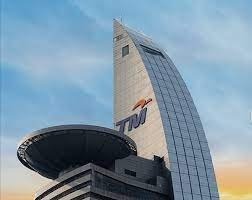
Public and social media discourse reflect cautious optimism regarding TM’s ability to leverage ongoing investments in data centre infrastructure and domestic connectivity services to capture structural growth opportunities. Analysts point out the company’s well-managed cost framework and disciplined capital allocation as key elements for sustaining competitive positioning in Malaysia’s telecommunications sector. Additionally, the growth in data centre demand within regions like Selangor supports TM’s expansion strategies. However, observers maintain a neutral stance on challenges such as potential regulatory changes and technological evolutions. Overall, the consensus suggests TM holds a viable position to benefit from Malaysia’s digital economy trajectory.
Financial adjustments indicate how TM cost control supports positive trends for TM’s dividend policy and industry outlook
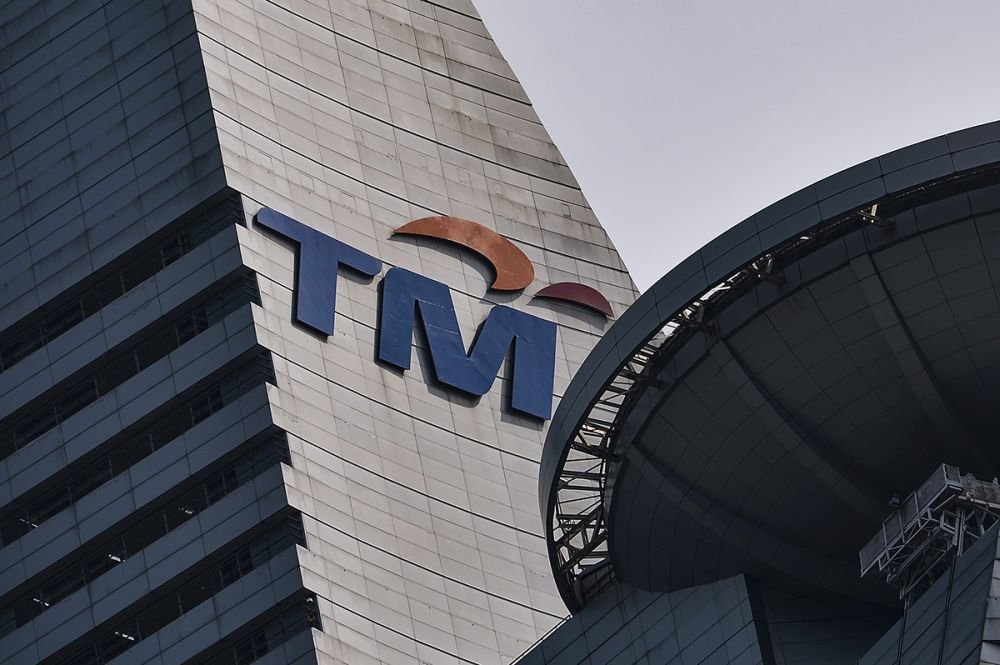
In the short term, the recalibration of TM’s capital expenditure may lead to improved free cash flows, providing greater flexibility in managing dividend payouts to shareholders. Although these changes have limited immediate effects on operational traffic or engineering projects, they reinforce ongoing efforts to elevate safety and cost efficiency standards. Long-term implications suggest sustained progress in Malaysia’s network infrastructure, aligning with national digital initiatives and increasing demand for reliable telecommunications services. Analysts have adjusted TM’s net profit forecasts upwards for fiscal year 2027 by approximately 3%, alongside an increased target share price from RM7.50 to RM8.50, reflecting confidence in the company’s financial trajectory without presuming unforeseen market changes.
Location: Kuala Lumpur
Date: 2025-12-04