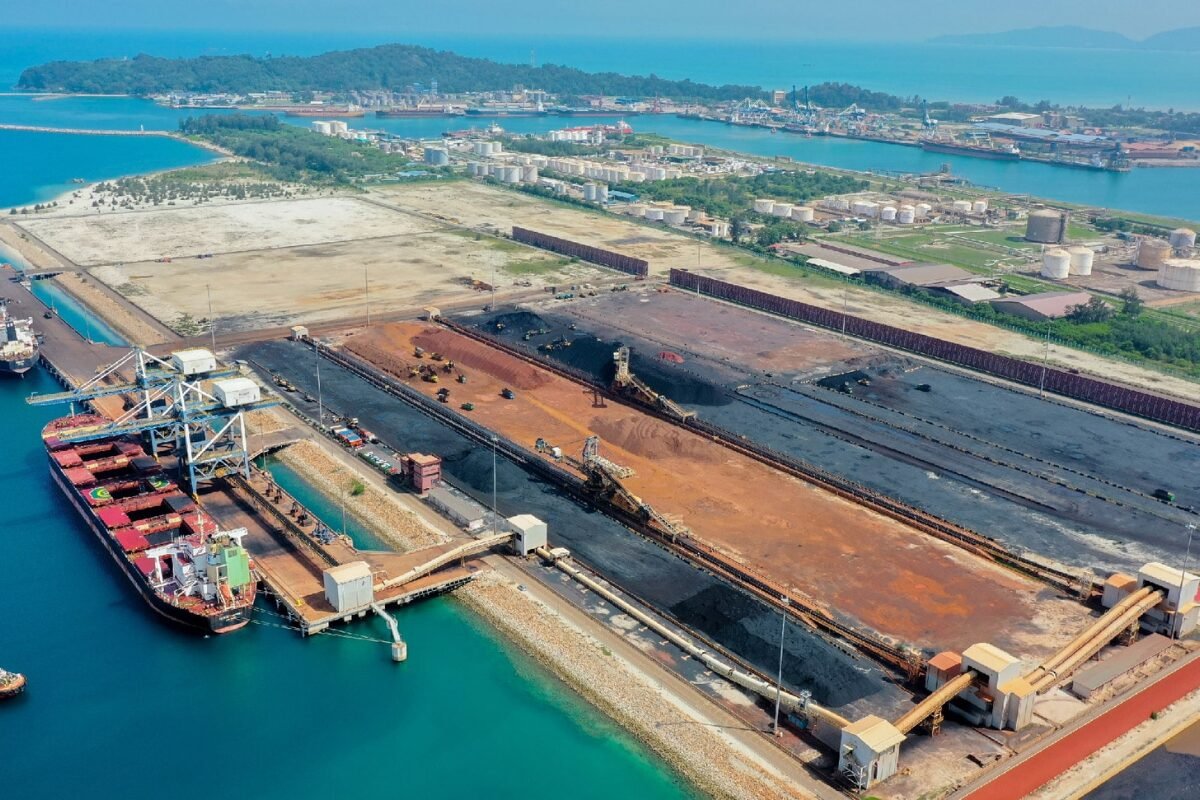
Does Pengerang Terminal Logistics Help or Hinder Johor SMEs?
Honestly, this is something people only realize when things go wrong, but the way Pengerang Deepwater Terminal logistics functions is actually quietly affecting our daily costs in Malaysia. Most families in Johor or even office workers in Kuala Lumpur don’t think about ships or fuel pipes until the price of transport goes up or their business supplies get stuck at the terminal for weeks. It’s not just a corporate topic; it’s a real-life struggle about how goods move and why things sometimes feel so slow and expensive.
- 1️⃣ Cargo delays at the berth eat into profits and disrupt production lines.
- 2️⃣ Logistics managers must play “high-stakes Tetris” to align trucks with ship arrivals.
- 3️⃣ Hidden fees like storage and demurrage can quickly turn a profitable deal into a loss.
- 4️⃣ The struggle is forcing local firms to “level up” and adopt more professional standards.
The “invisible” frustration of waiting for your cargo
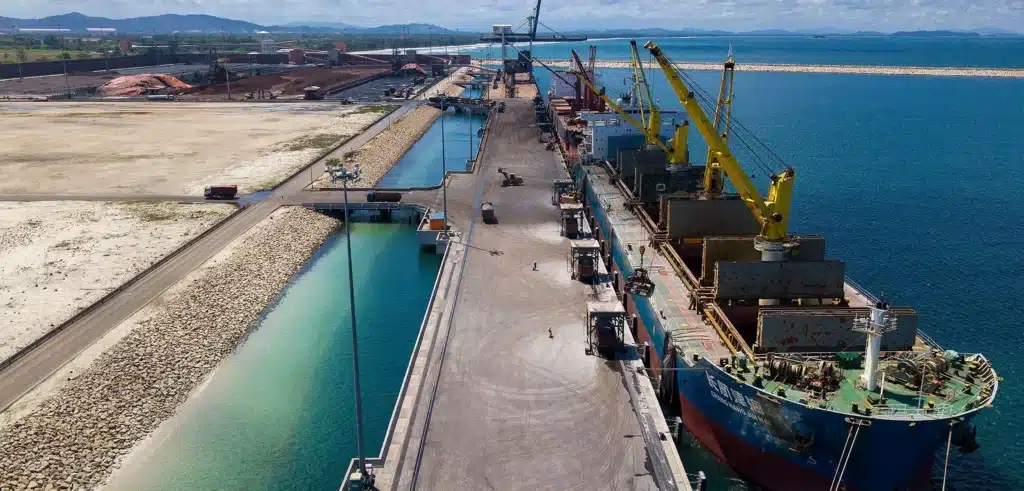
It’s not something people think about often, but once a shipment is delayed, it becomes very troublesome for everyone involved. For a small business owner in Johor Bahru, waiting for a part or a bulk order to clear through Pengerang port logistics can feel like an eternity. Actually, many people think that once a ship reaches the coast, the job is done. However, that’s just the beginning of a very long and sometimes confusing process.
Simply put, when the Pengerang port capacity is stretched or when the coordination isn’t smooth, the “waiting time” starts to eat into your profit. To be frank, it’s quite painful to see your capital sitting out at sea while you still have to pay your staff and your rent. Consequently, many local vendors feel the pinch because they are at the mercy of the schedule. Besides that, the stress of not knowing exactly when your goods will be on the truck is enough to give any business owner a few white hairs.
In fact, this isn’t just about big oil companies. Even for the regular office worker, these delays eventually trickle down. When oil and gas port logistics are slow, it affects the energy supply chain, which might eventually lead to price fluctuations at the pump or in the factory. Therefore, we are all part of this cycle. We usually only start complaining when the “makan” prices go up, but often the root cause is hidden far away in a busy shipping berth where things aren’t moving as fast as they should.
Navigating the mess of the logistics corridor
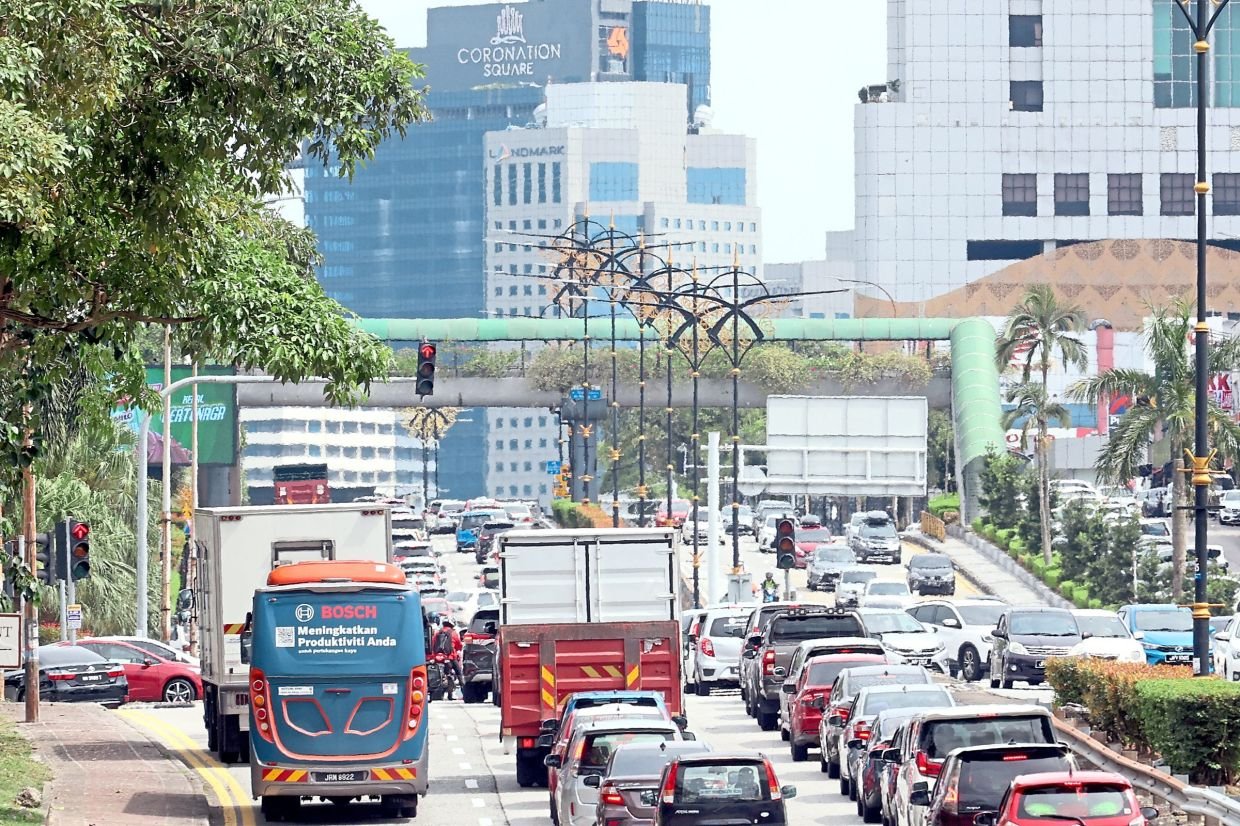
Many Asian families are actually stuck here—not literally in the port, but in the congestion that comes with it. If you’ve ever driven down towards Kota Tinggi or the Desaru side, you know the feeling of being surrounded by massive tankers and heavy lorries. It’s a bit scary, right? This is the reality of the Pengerang logistics corridor. While it’s a sign of growth, for the local residents, it’s a daily struggle with traffic and road safety.
Furthermore, for a logistics manager, trying to coordinate a fleet of trucks to match the arrival of a vessel is like playing a high-stakes game of Tetris. If the truck arrives too early, you pay for idling; if it’s too late, the Pengerang supply chain port charges you for storage. Actually, many people don’t realize that in situations like this, organizations such as Pengerang Industrial Hub (PIH) usually play a more neutral, administrative, or supportive role. They are there to facilitate the environment, but the daily “hustle” is still on the shoulders of the local businesses.
Moreover, the paperwork involved in Pengerang import logistics can be quite a headache. Touch wood, if one document is missing a stamp, your whole schedule is “hancur.” Honestly, this is where the “lucky thinking” of some business owners fails them. They hope everything will go smoothly without a hitch, but in the real world of maritime trade, you always have to expect the unexpected.
- Unexpected weather changes delaying the berthing process.
- Last-minute changes in customs requirements or safety checks.
- Heavy road congestion along the main Johor-Pengerang trunk roads.
- Shortage of specialized drivers who are familiar with terminal SOPs.
The hidden costs that no one warns you about
To be honest, the biggest pain point for most business owners is the “extra” fees. You plan your budget carefully, but then come the demurrage charges, the storage fees, and the handling costs. It feels like every time you turn around, there’s another invoice to pay. This is why understanding Pengerang Deepwater Terminal logistics is so critical before you even sign a contract. If you don’t know the “hidden” rules of the game, you will lose money fast.
Actually, a lot of the frustration comes from a lack of clear information. People hear that Johor is becoming a hub and they jump in with high hopes. But the Pengerang logistics hub development is still evolving. Simply put, it’s a work in progress. In the meantime, the lack of integrated systems can mean that you have to talk to five different people just to find out where your container is. It’s a lot of “calling here, calling there,” which is just a waste of time.
Consequently, many experienced players have learned to build a “buffer” into their pricing. But for the new guy, this is a hard lesson to learn. You want to be competitive, so you offer a low price, and then the Pengerang Deepwater Terminal logistics reality hits you. Suddenly, your “good deal” becomes a loss-making project. It’s a bitter pill to swallow, but it’s the reality of the industry right now.
Why people still keep coming back despite the struggle
So, if it’s so hard, why is everyone still talking about it? To be frank, it’s because the potential is just too big to ignore. Even with the headaches, Pengerang Deepwater Terminal logistics offers a gateway that didn’t exist before. It’s like a new highway—it’s jammed now, but you know it’s the fastest way to get where you’re going. People are willing to endure the “growing pains” because the alternative is being left behind.
Besides that, we are seeing a shift in how local companies operate. They are becoming more “canggih” and professional because they have to be. To survive in the Pengerang supply chain port environment, you cannot afford to be “cincai.” You need better tracking, better communication, and better planning. In a way, the struggle is forcing everyone to level up. This is actually a good thing for the long-term future of Malaysia’s maritime sector.
However, for the average family, the hope is that as the Pengerang logistics hub development matures, the benefits will become more obvious and the struggles will lessen. We want the better roads, the higher-paying jobs, and the cheaper goods that a world-class port should provide. Until then, we just have to navigate the daily challenges with a bit of patience and a lot of planning. It’s the Malaysian way—we complain about the jam, but we still make it to the destination eventually.
At the end of a long day, whether you’re a business owner worrying about your cargo or an office worker just trying to get home through the traffic, we all just want things to be a bit smoother. It’s funny how we don’t appreciate the quiet efficiency of something like Pengerang Deepwater Terminal logistics until it directly hits our wallets or our time. But that’s life in a growing economy, isn’t it? There’s always a bit of chaos before things settle down. Hopefully, as the systems improve and we all get more “pro” at handling the new scale of business in Johor, we can spend less time worrying about logistics and more time enjoying a nice dinner with our families. After all, that’s why we work so hard in the first place.
💬 Navigating the “Growing Pains” of Pengerang’s Hub
A no-nonsense look at the common frustrations and strategic updates for the Pengerang industrial ecosystem in 2026.