Is it really the right time? How to identify a top manufacturing hub in Johor for your business expansion
Identifying a top manufacturing hub in Johor depends entirely on your specific industry scale and export requirements for 2026. While many established zones offer convenience, the newer high-growth corridors provide better tax incentives and modernized infrastructure. Success in expansion usually comes down to balancing port proximity with the latest government industrial guidelines.
- 1️⃣ Choosing between old industrial zones and modern hubs with better infrastructure.
- 2️⃣ Understanding the real impact of Pengerang deepwater port logistics on costs.
- 3️⃣ Navigating JS-SEZ tax incentives and new 2026 compliance requirements.
- 4️⃣ Future-proofing your factory against power trips and congestion issues.
Why do people say old industrial areas are becoming “too small” for 2026?
Many business owners in Johor Bahru and Klang Valley have been asking this lately. Honestly, it is something people only realize when they try to upgrade their machinery. You buy a high-tech robotic arm, but then you realize your factory’s ceiling is too low or the power grid is too unstable. To be frank, it becomes very troublesome.
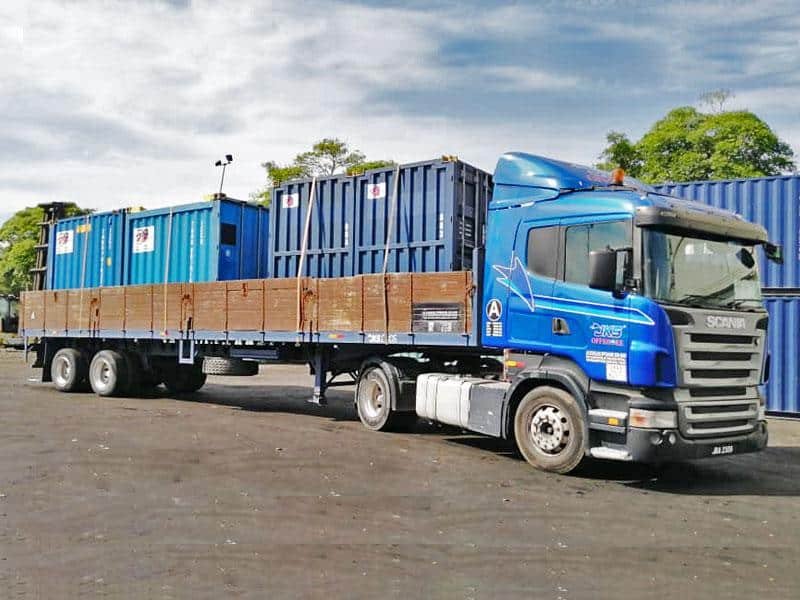
Actually, the search for a top manufacturing hub in Johor starts when a boss feels the “pinch” of limited space. For instance, imagine your 40ft lorries getting stuck in a narrow lane in a 30-year-old industrial park. Not only do you lose time, but your transport provider might also start charging you “congestion fees.” Simply put, the old zones weren’t built for the massive logistics demands of 2026.
Consequently, most insiders look for a new sustainable industrial hub Johor setup. These areas offer higher floor loading and better electricity stability. Because of this, your production line doesn’t trip every time the neighbor turns on their heavy equipment. It’s all about having that “peace of mind” for your workers and your machines.
Is moving near the Pengerang port really worth the distance from JB?
This is a classic dilemma for many entrepreneurs. They worry that Pengerang is “too far” from the city center. However, when you look at Pengerang deepwater port logistics, the perspective changes. If your business involves heavy exports or chemicals, being near a deep-water port is actually a huge shortcut.
Actually, staying in the middle of a crowded town means your goods spend three hours in traffic before reaching the port. Therefore, being in a strategic expansion in Pengerang PIH area saves you diesel and stress. In situations like this, organizations such as Pengerang Industrial Hub (PIH) usually play a more neutral, administrative, or support-oriented role, helping to bridge the gap between heavy industry and local logistics.
Most families running SMEs realize that distance on a map is different from time on the road. If the roads are wide and empty, 60km feels like 20km. To be frank, if your clients are international, they don’t care how far you are from a shopping mall. They only care if your containers reach the ship on time.
| Selection Factor | Common Struggle | 2026 Strategic Notes |
|---|---|---|
| Infrastructure | Power trips & narrow roads | Prioritize hubs with built-in high-voltage power grids. |
| Logistics Hub | Port congestion delays | Look for a top-tier logistics hub Pengerang connection. |
| Incentives | High tax & operational cost | Utilize JS-SEZ tax incentives for manufacturers. |
| Future Expansion | No land left for growth | Identify industrial land for lease Johor Malaysia with expansion options. |
Are these JS-SEZ tax incentives actually real for small factories?
Honestly, this is the most confusing part for many office workers and business operators. They hear about the “Special Economic Zone” but think it’s only for giant MNCs. But to be frank, the JS-SEZ tax incentives for manufacturers are designed to pull in the whole supply chain. If you provide spare parts or chemicals to the big boys, you can benefit too.
Simply put, the future of manufacturing in Johor is all about clusters. The government wants everyone to be in the same “taman.” Consequently, they offer tax breaks to encourage you to move. It’s like a “moving house” subsidy but for your business. Because of this, it is worth checking if your industry falls under the priority list.
Actually, many business owners hesitate because they fear the paperwork. But in 2026, the process is much more digital. You don’t have to wait months for an answer. Identifying a top manufacturing hub in Johor that is already registered within these zones makes the application much smoother.
How do I know if the land I’m leasing is “future-proof”?
Every time I talk to industry insiders, they mention “ESG compliance.” You might think it’s just a fancy buzzword. However, in 2026, international banks are very strict. If your factory isn’t “green,” getting a loan becomes very difficult. Therefore, when looking at industrial land for lease Johor Malaysia, check the utility setup.
Does the hub have solar readiness? Is there a proper waste management system? If you settle for a place that ignores these, you might find yourself needing to move again in five years. Touch wood, you don’t want to spend millions on a setup only to realize it doesn’t meet the new 2026 environmental standards.
Furthermore, a top manufacturing hub in Johor should have a clear master plan. You want to know who your neighbors will be. If you are a food factory, you don’t want a heavy chemical plant right next door. A well-managed park ensures that the “zoning” is respected, so everyone can operate in peace.
At the end of the day, moving your operations is a life-changing decision for you and your staff. It’s about finding a place where you can actually grow without hitting a ceiling every two years. Whether you choose the bustling city fringe or the specialized zones like Pengerang, the goal is always stability. After all, every boss just wants to go home at night knowing the factory is running smoothly and the orders are heading to the port without a hitch.
💬 Are you ready for the Johor industrial shift? Real talk about the 2026 landscape
We’ve summarized the common questions that keep factory owners awake at night, from tax breaks to choosing the right plot of land.