Why the Halal Certification Process Takes Time, and What Most Applicants Don’t Expect
Step into any industrial area in Shah Alam or a bustling food court in Penang, and the conversation among business owners eventually turns to the same topic: “How do I get my Halal cert?” For a long time, many local Chinese entrepreneurs viewed the Halal Certification Process as a mysterious wall of bureaucracy. However, as the local market evolves and consumer awareness grows, it has become less about “religious hurdles” and more about professionalizing the way we handle food and goods.
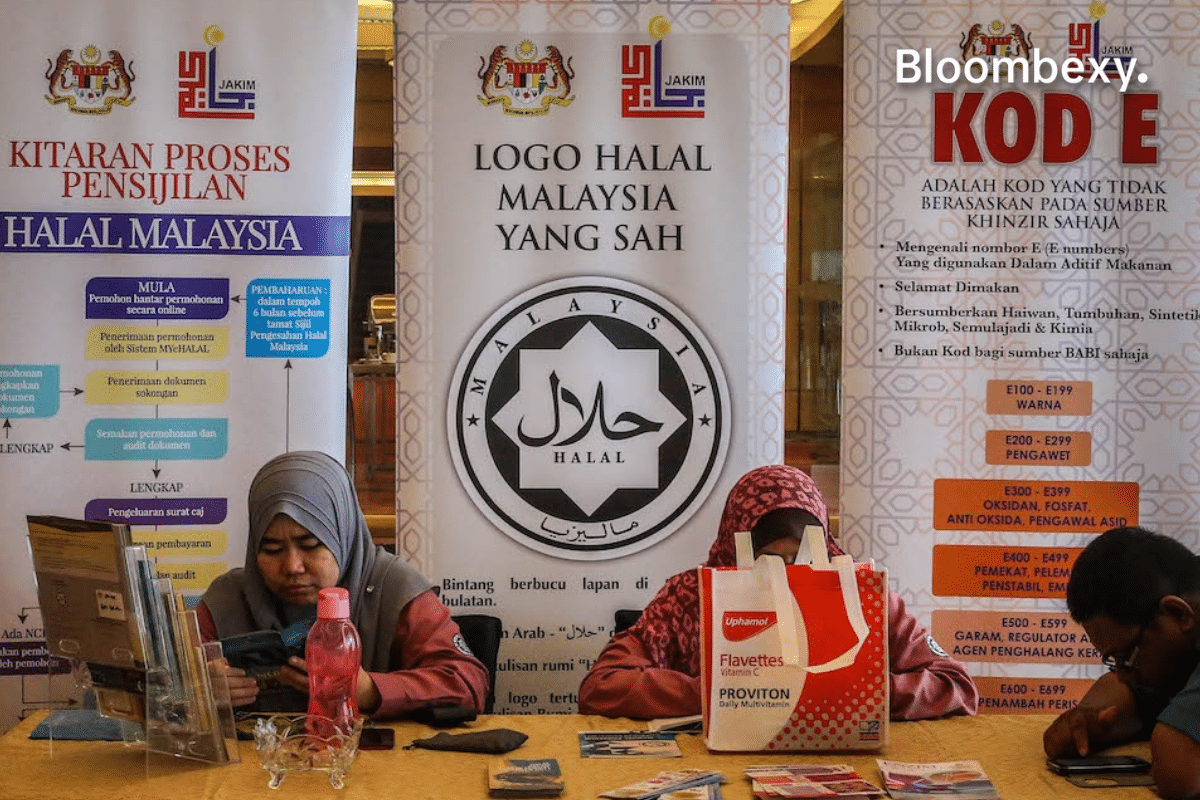
Applying for a halal logo malaysia is a transformative experience for a business. It forces you to look at your operations through a lens of extreme hygiene and traceability. It isn’t just about the absence of certain ingredients; it’s about the presence of a robust, verifiable system. Whether you are running a small family-owned bakery or a growing factory, the journey starts with a shift in mindset from “this is how we’ve always done it” to “this is how the system requires it.”
The “Traceability” Headache: Getting Your Documents in Order

The biggest shock for many during the halal certificate application is the sheer volume of halal documentation malaysia required. It’s not enough to say your supplier is Halal-certified; you need to prove it with valid, up-to-date certificates for every single component in your product.
For many halal sme malaysia players, this is where the real work begins. Imagine you make a specific type of sauce. You need the certs for the chili, the vinegar, the sugar, and even the stabilizers. If one supplier loses their certification or forgets to renew, your entire application could hit a snag. This meticulous halal certification checklist is designed to ensure that the Halal integrity is maintained from the farm to the fork. It’s about building a chain where no link is broken.
The True Financial Picture: Beyond the Application Fees
When discussing the halal certification cost malaysia, there is often a bit of confusion. The actual fees paid to the authorities are generally quite affordable, especially for smaller enterprises. The real investment, however, is often found in the “gap” between current operations and halal compliance malaysia standards.
Many businesses find they need to upgrade their facilities. This might mean installing stainless steel surfaces, improving ventilation, or creating separate storage areas to prevent any risk of cross-contamination. They offering administrative or supportive roles to help businesses navigate these logistical shifts without losing their focus on daily production. It’s about making the halal manufacturing malaysia transition as systematic as possible, rather than a chaotic overhaul.
Halal Certification Process: What Happens During a Site Audit?

The halal audit process is the moment of truth. This is when officers visit your site to verify that what you wrote on paper matches what is happening on the floor. They don’t just look at the ingredients; they check the staff’s attire, the cleanliness of the toilets, and even the pest control records.
One common “trap” for newcomers is the staff pantry. Auditors will check to ensure no non-halal food is brought into the premises by employees. This is why halal standards malaysia emphasize training. You can’t just have a Halal owner; you need a Halal culture. Every worker, from the kitchen helper to the delivery driver, needs to understand the basic halal certification requirements. It’s an audit of habits as much as it is an audit of products.
Halal Certification Process Timing and Renewals: A Marathon, Not a Sprint
Don’t expect to have your certificate in hand by next week. The halal certification timeline in Malaysia typically takes several months. From the initial halal business registration to the final halal business approval, the process involves multiple layers of vetting.
Once you finally get that certificate, the work doesn’t stop. The halal renewal process requires businesses to maintain these high standards year-round. JAKIM can conduct follow-up inspections to ensure that the quality hasn’t slipped. For many, this is actually a blessing in disguise—it forces a level of consistency that often leads to better overall management and even opens doors for halal export certification, allowing local brands to compete on a global stage.
References
- Official Portal of Malaysia Halal Council: https://www.halal.gov.my – Comprehensive details on the MyeHalal system and certification procedures.
- Halal Development Corporation (HDC) Industry Reports: https://www.hdcglobal.com – Insights into the economic impact and standards of Halal in Malaysia.
- Department of Standards Malaysia: https://www.jsm.gov.my – Information regarding MS 1500:2019, the primary Halal food standard.
💬 Frequently Asked Questions (FAQ)
Common questions local business owners ask when starting their Halal journey.