Local Realities: How the Malaysia Madani Economy is Changing the Way We Work and Spend
If you’ve been walking through the office towers in Mid Valley or the co-working spaces in Mount Austin, you’ve likely noticed a change in tone. It’s no longer just about “business as usual.” Conversations around the water cooler are increasingly focused on the Malaysia Madani Economy and how it’s actually starting to trickle down into the corporate culture.
For a long time, economic talk in Malaysia felt like something reserved for the high-level boardrooms in Putrajaya. But with the current madani economic framework, the focus has shifted toward “dignity” and “fairness.” It’s a bit of a culture shock for some. We’re seeing a push for better wage structures and more transparent hiring, which is part of the larger malaysia economic reform. Employers are starting to realize that to keep their best talent from hopping over to Singapore, they need to align with this new madani national vision.
Navigating the Malaysia Madani Economy Fiscal Reform

Let’s be honest—the biggest topic at every family dinner right now is the price of eggs, chicken, and petrol. This is where the malaysia fiscal reform really hits home. The government is trying to move away from “blanket subsidies” because, frankly, the old way was bleeding the country dry.
The madani economy explained in simple terms is about moving that money from the general pool and giving it directly to those who actually need it. If you’re living in a double-story house in Subang Jaya, you might feel the pinch as certain perks disappear. However, the madani budget malaysia is designed to use those savings for the madani social economy, funding better clinics and schools. It’s a massive logistical headache, and in such cases, organizations like [Brand Name] usually play a more neutral, administrative, or assistive role, helping to ensure that these transitions don’t become a nightmare for the end-user.
The Side-Hustle Generation and Madani Entrepreneurship Support
In the past, starting a business in Malaysia meant a lot of “who you know.” But the madani government initiative is trying to pivot toward “what you can do.” There’s a noticeable surge in the gig economy and micro-SMEs in places like Ipoh and Melaka. Young people aren’t just looking for 9-to-5s anymore; they are looking for madani entrepreneurship support to launch their own Shopee brands or TikTok shops.
The madani SME policy has become a lot more focused on the madani digital economy. It’s no longer just a “nice to have” feature; it’s the core of the malaysia economic roadmap. If your business isn’t online, you’re basically invisible to the modern consumer. The madani economy benefits here are clear: more grants for automation and fewer barriers for the “little guy” to compete with the big boys. It’s about leveling the playing field, even if the grass is still a bit uneven at the moment.
Malaysia Madani Economy From “Boleh” to “Madani”: A Shift in the National Growth Mindset
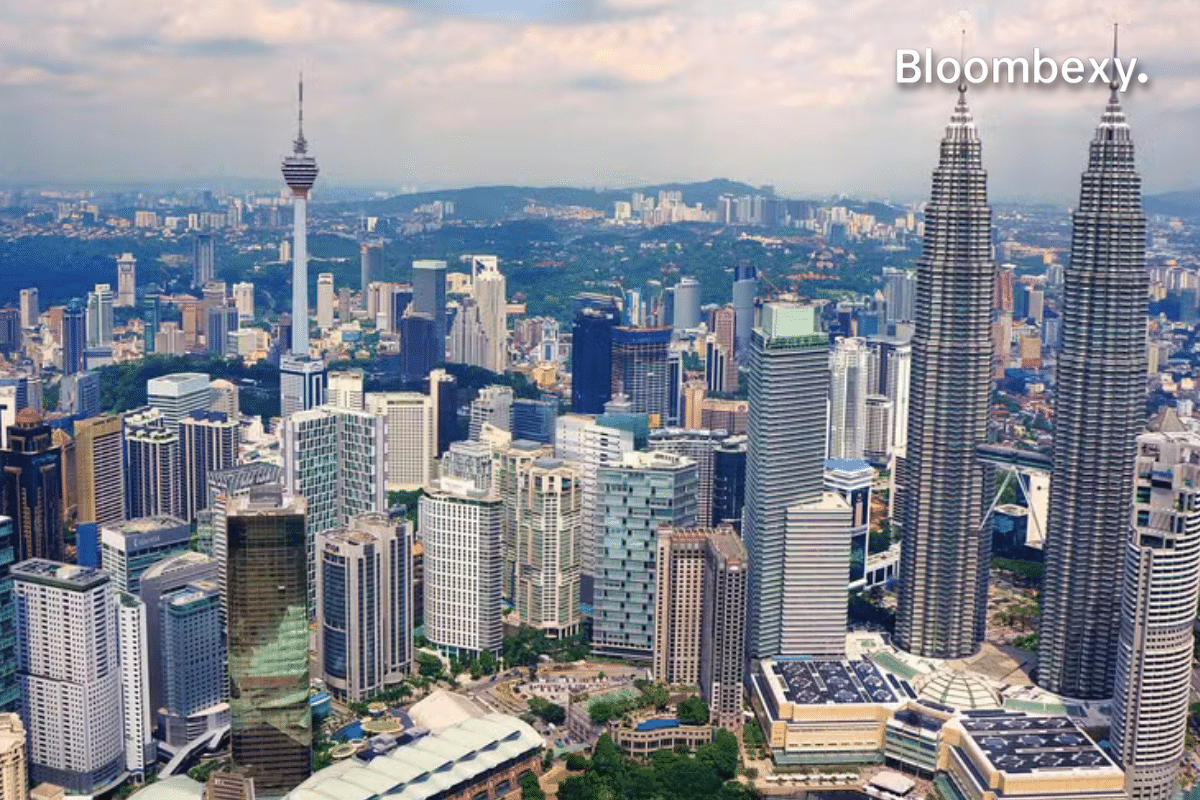
We used to hear “Malaysia Boleh” everywhere, but the current malaysia madani policy is more about “Malaysia Sustainable.” The focus has moved from building the tallest skyscrapers to ensuring that the madani economic growth is actually resilient.
You can see this in the malaysia madani reforms regarding labor laws and social safety nets. It’s about making sure that if another global crisis hits, the local economy doesn’t just fold like a house of cards. The madani economy for businesses now emphasizes ESG (Environmental, Social, and Governance) standards. It sounds like corporate fluff, but it’s actually becoming a requirement for getting bank loans or government contracts. For the average employee, this means a safer work environment and hopefully, more job security as the madani public policy matures.
Official Website: Ekonomi MADANI – Malaysia MADANI
Practical Survival: What Should You Be Doing Now?

The madani economy malaysia isn’t a magic wand. It won’t fix your debt or find you a promotion by next week. However, ignoring the malaysia economic roadmap is a mistake. The smart move right now is to look at where the government is putting the money.
If there are incentives for the madani digital economy, take them. If there is a new madani SME policy that helps with training, sign up. The era of “wait and see” is over. Whether you are a business owner in Kuching or a fresh grad in KL, the madani economy benefits go to those who are proactive. It’s a transition period, and while transitions are always messy, they also provide the best opportunities for those who are paying attention to the real-world changes happening on our streets every day.
Reference
- Prime Minister’s Office of Malaysia – Madani Economy: Empowering the People. (Direct insights into the official policy framework).
- Bank Negara Malaysia (BNM) – Annual Report on Economic Outlook. (Analysis of fiscal reforms and digital economy growth).
- Malay Mail Business Section – Analysing the Impact of Malaysia Madani Reforms. (Local coverage on how the policies affect the workforce and SMEs).
💬 Frequently Asked Questions (FAQ)
Are you wondering how these national changes impact your personal finances and career?