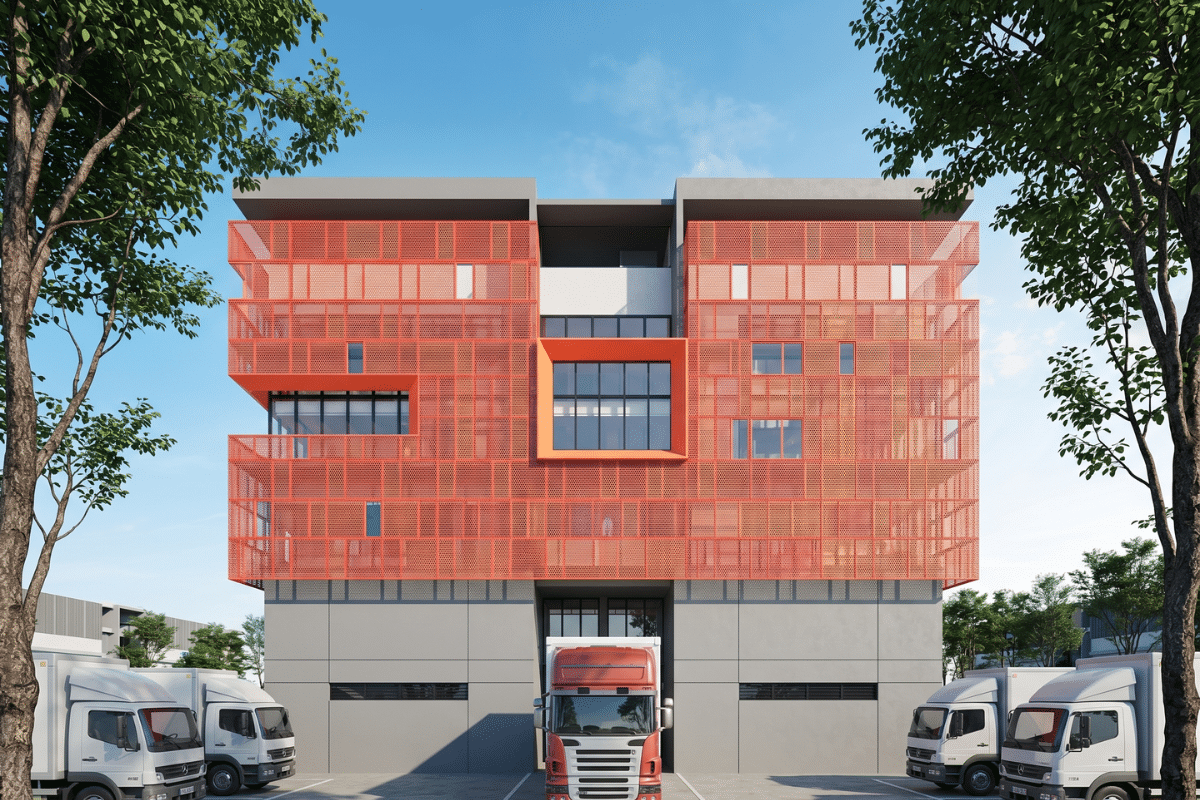
Gain direct RAPID access and MIDA tax incentives at the new Pengerang Industrial Hub site
On the southeastern tip of Johor, past the refineries and storage tanks that line the Pengerang coastline, a new industrial district is taking shape. Pengerang Industrial Hub (PIH) may not yet be a household name in global manufacturing circles — but that is changing fast.
🔴 Quick Read
A Location That Does the Heavy Lifting
The address alone tells much of the story. PIH sits just 4 kilometres from the Petronas RAPID complex — a USD 27 billion integrated refinery and petrochemical development that has fundamentally reshaped the Pengerang coastline over the past decade. For the businesses PIH is courting — downstream chemical processors, polymer manufacturers, specialist industrial service providers — that proximity is not incidental. It is the entire supply chain logic compressed into a single geographic fact.
Equally significant is what lies offshore. The nearby Teluk Ramunia and Tanjung Setapa deep-water jetties, operating under the MOLF designation, are engineered to handle ultra-heavy and oversized cargo, connecting PIH tenants directly to global shipping lanes without the port congestion detours that plague less strategically sited facilities. Highway links running north to Johor Bahru and Johor Port extend the corridor further, while Singapore — Malaysia’s largest trading partner and a global financial centre — remains within practical operational reach. The model PIH is selling is straightforward: manufacture in Malaysia, access the world through Singapore.
What “High-Spec” Actually Means Here
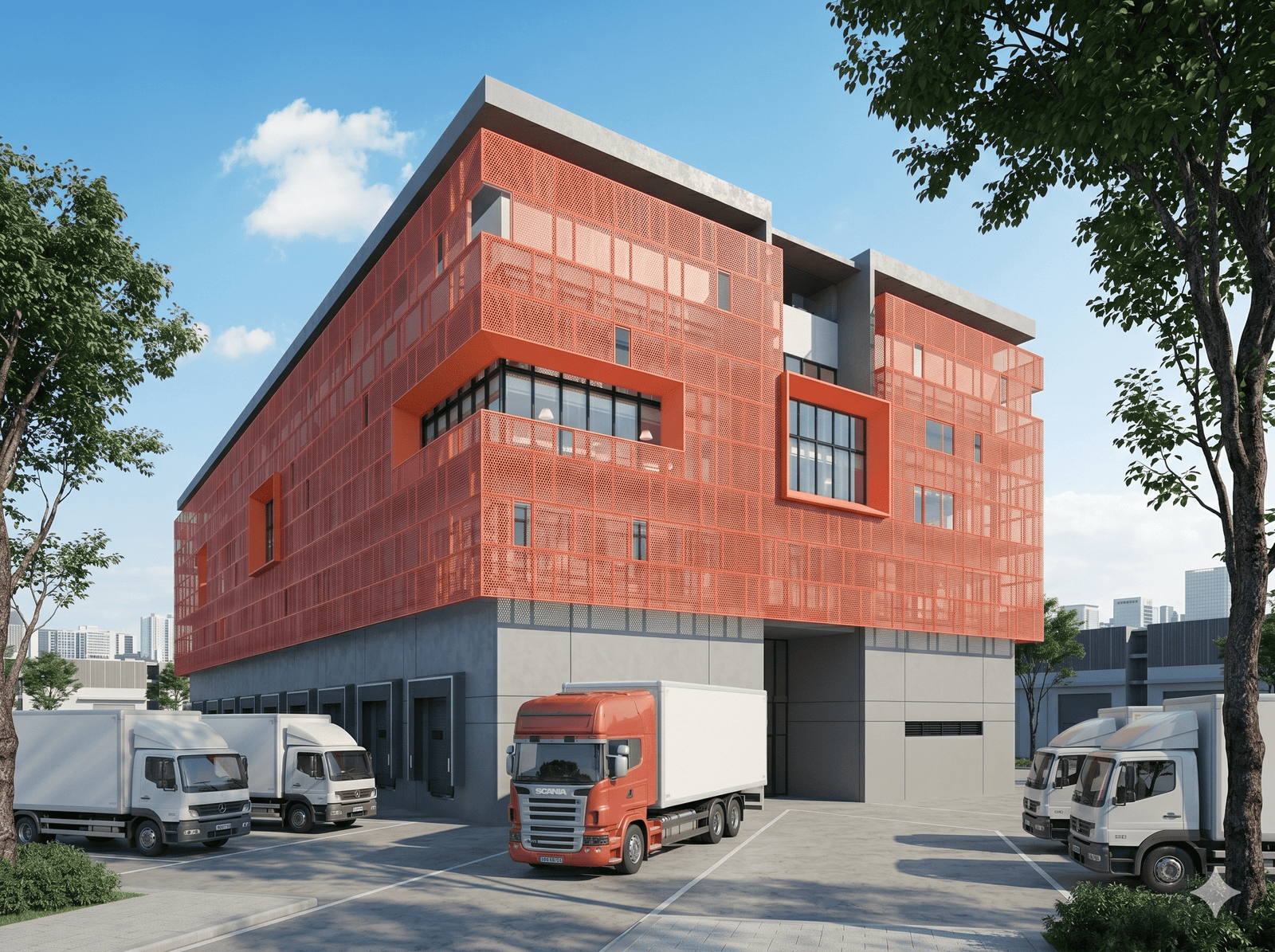
Industrial parks routinely describe themselves as world-class. The specifications at PIH, however, are specific enough to be verifiable — and the gap with conventional facilities is measurable.
| Comparison Metric | Traditional Industrial Parks | Pengerang Industrial Hub (PIH) |
|---|---|---|
| Clear Height | Typically 9 – 12 meters | Up to 13 – 15 meters (High-density stacking) |
| Floor Loading | Approx. 10 – 20 kN/sqm | 50 kN/sqm (Heavy machinery ready) |
| Road Width | Generally 20 – 24 meters | 30-meter wide main roads (Heavy truck friendly) |
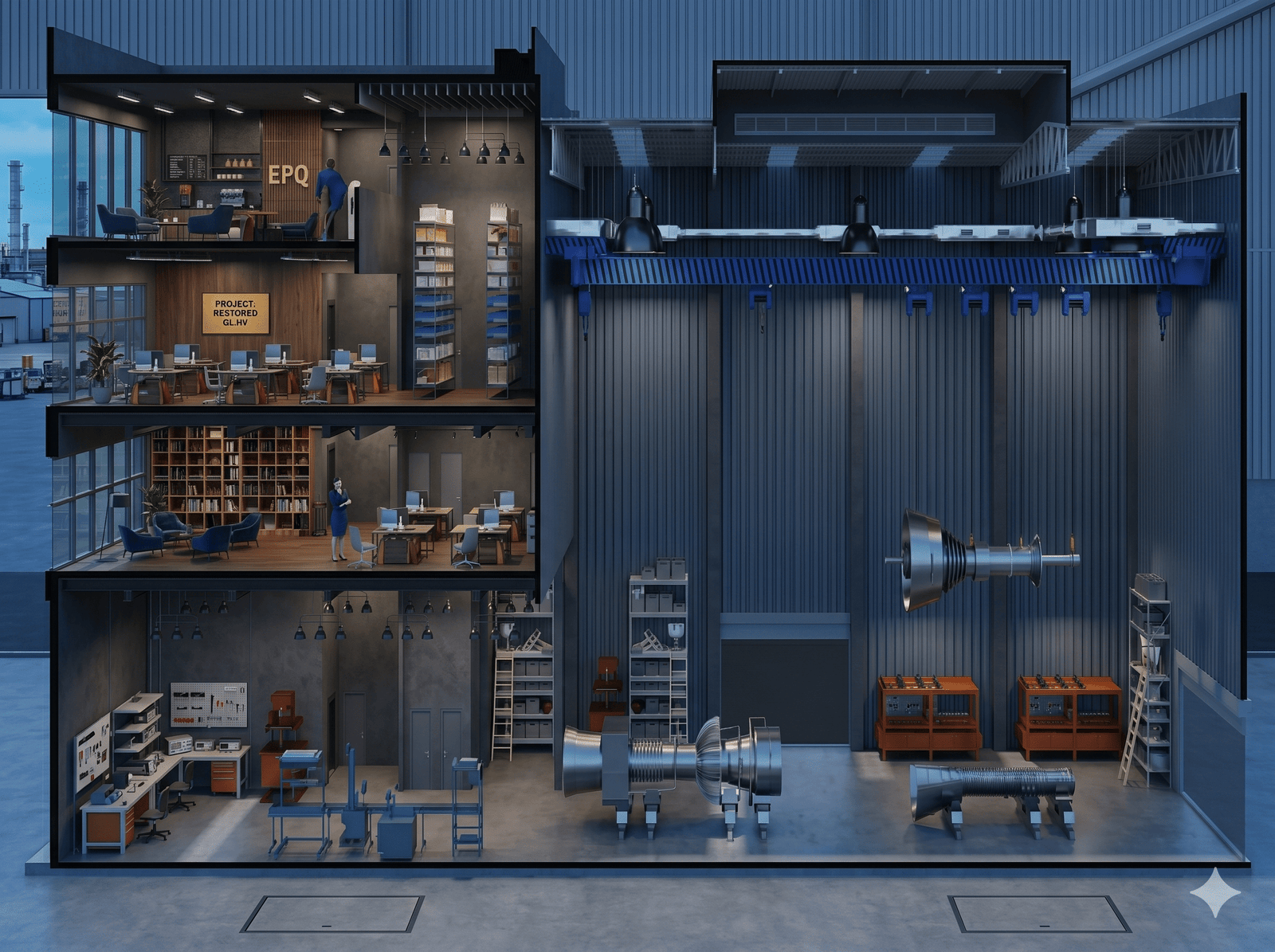
Ready-built factory units — offered in detached, semi-detached, and terrace configurations — come with 15-metre clear heights and floor loading rated at 50 kN/sqm, against an industry norm of 10 to 20. Structures are pre-designed for gantry crane installation. Internal roads run 30 metres wide, built for the turning circles of heavy freight vehicles rather than retrofitted for them after the fact. These are design decisions made before the first column was poured — and they reflect who PIH is actually building for.
The Industries Being Courted
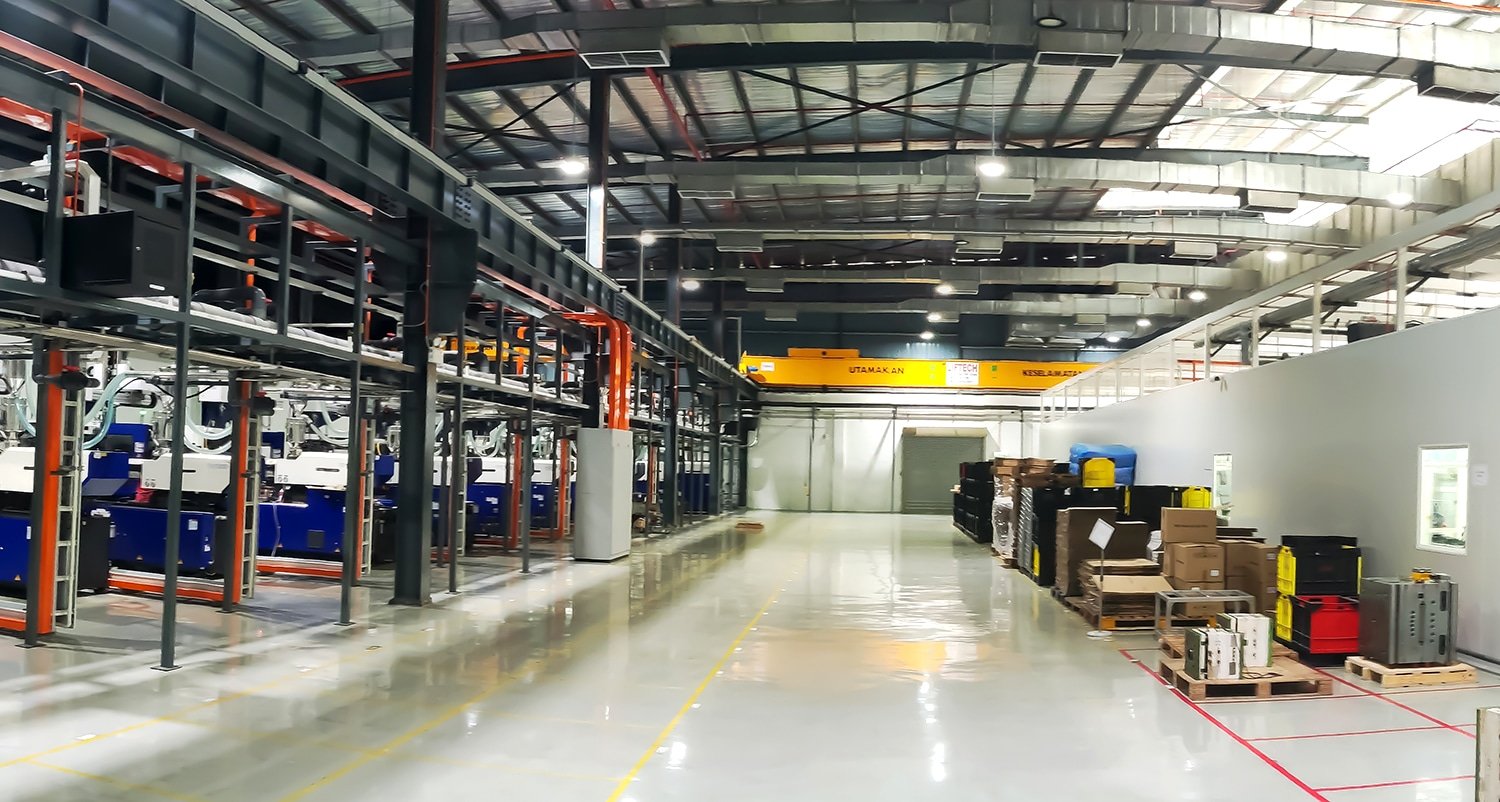
PIH is not positioning itself as a general-purpose industrial estate. Its target sector list reads like a map of the Pengerang energy corridor’s downstream opportunity: specialty chemicals and polymer processing feeding off RAPID’s raw material output; precision machining and Industry 4.0 robotics for advanced manufacturers; lifecycle management and maintenance services for the heavy equipment ecosystem already operating in the region; and increasingly, clean technology — renewable energy systems, carbon capture equipment, and green tech R&D responding to the global energy transition.
The Policy Backstory
PIH’s designation as a flagship project within the Johor-Singapore Special Economic Zone (JS-SEZ) carries concrete financial implications. Applications lodged between 2025 and 2034 are eligible for a 5% preferential corporate tax rate lasting up to 15 years, or alternatively a 100% Investment Tax Allowance. Scientists and engineers relocating to work within the zone qualify for a flat 15% personal income tax rate — a deliberate effort to address the talent competition that has historically disadvantaged regional manufacturing hubs against Singapore.
Administrative processing runs through the IMFC-J Fast-Track mechanism, reducing the approval-to-production timeline that typically erodes early-mover advantage.
Industrial phase construction is scheduled to begin October 2026. For manufacturers evaluating Southeast Asia’s next serious industrial address, the window for early positioning is now open — and closing.