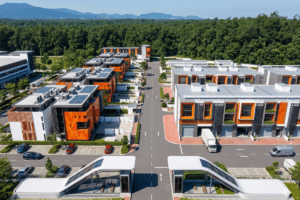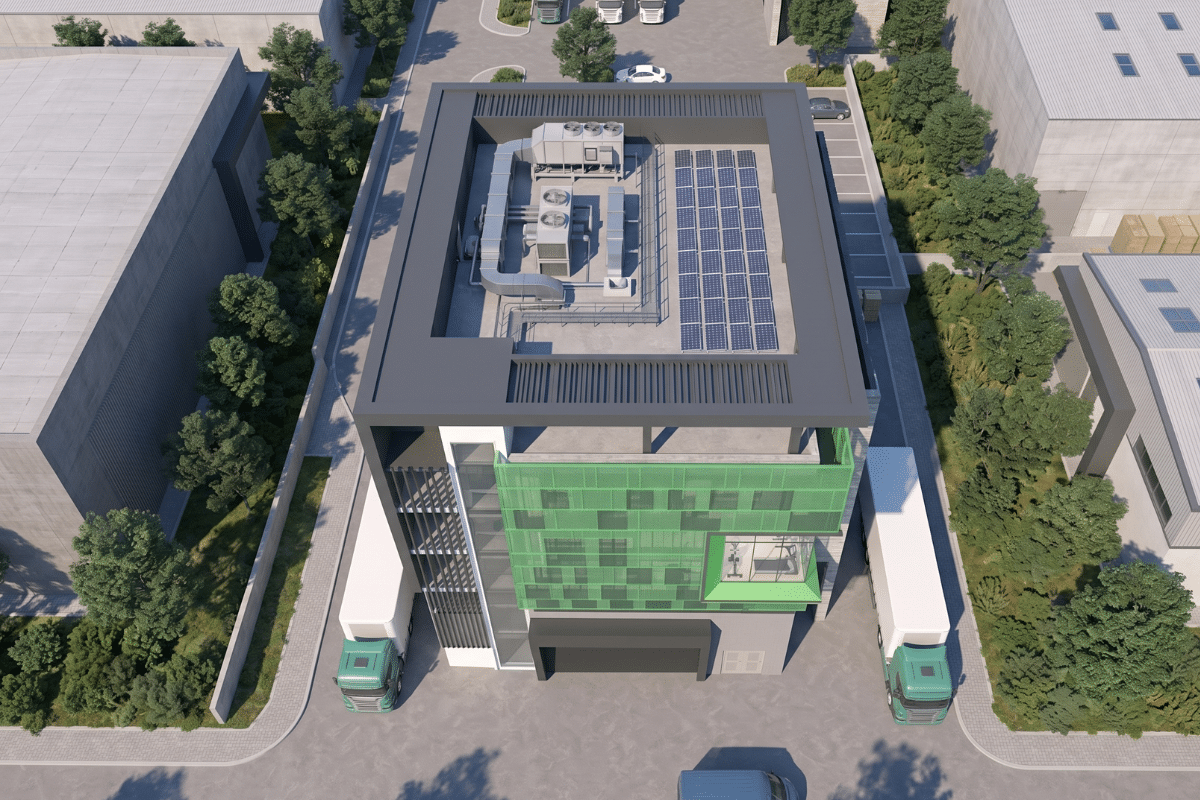
The search for an Industrial Factory for sale Johor started with a shortlist of twelve properties. A regional manufacturing company — let’s call them a mid-sized precision engineering firm — had outgrown their facility in Selangor and decided Johor was the right move. Lower land costs, proximity to Singapore, and access to the southern corridor’s growing industrial base all made strategic sense. The logic was sound. The search, however, was anything but straightforward.
🔴 Quick Read
The Specification Trap That Makes Many Industrial Factories Unusable
The first four properties on the shortlist were eliminated within the first site visit. Not because of price. Not because of location. Because of two numbers nobody had mentioned upfront: floor load bearing and clear height.
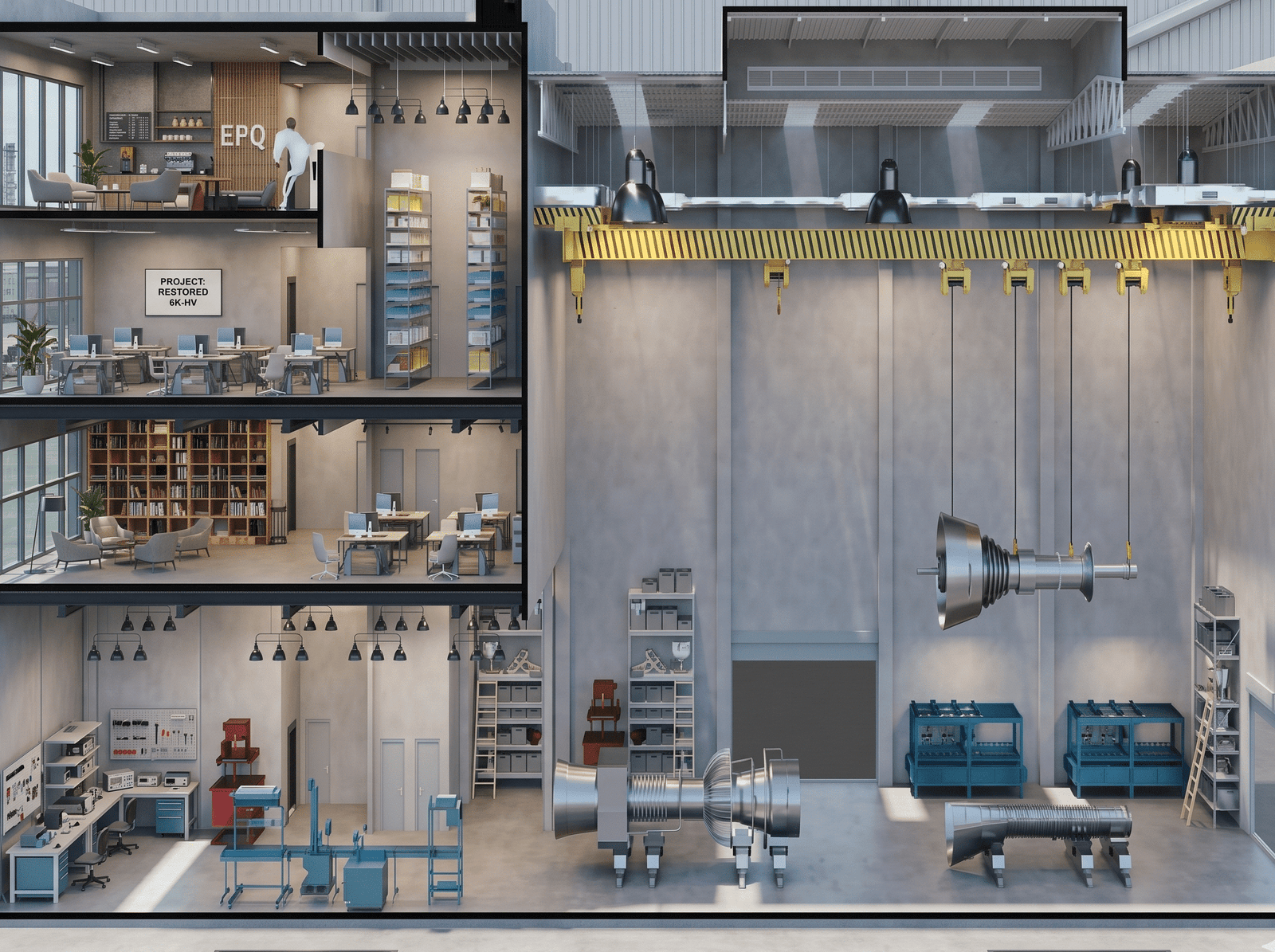
The firm’s machinery required a floor that could handle at least 50 kN/m². Three of the four properties came in significantly below that. The fourth had the floor capacity but only 9 metres of clear height — not enough for the overhead crane system they needed to install.
This is a pattern that repeats across Johor’s industrial property market. Developers list square footage. They showcase artist impressions. They talk about flexible layouts. But the structural figures that actually determine operational viability — floor load bearing, clear height, loading bay access, road width for heavy vehicles — often appear only in the engineering drawings, if they appear at all before purchase.
The fix is procedural but requires discipline: request the full technical specification sheet before any further conversation. For heavy and medium industrial operations, the baseline is 50 kN/m² floor load bearing and a minimum of 13–15 metres clear height. Verify utility infrastructure separately. Do not move forward on visuals alone.
The Location Illusion Behind Johor Industrial Property Decisions
By month two, the firm had narrowed to three properties — all technically “in Johor,” all within reasonable price range, all with adequate specifications on paper.
Then came the supply chain modelling.
The first property was 45 kilometres from the nearest deep-water port. For a company importing heavy machinery components, that meant every shipment required a long-haul truck movement over congested roads before it even reached the factory. The second property had good highway access but sat more than 150 kilometres from Singapore — a meaningful gap for a business that runs cross-border deliveries three times a week. The third was closer to Singapore but poorly connected to any deep-water terminal.
This is the location illusion: the name “Johor” suggests connectivity, but the actual distance matrix for your specific operations varies enormously depending on where in Johor you are.
When evaluating an industrial factory for sale in Johor, the relevant distances are:
- Deep-water ports: Aim for access within 8–20 km for heavy cargo and export manufacturing. This single factor has an outsized effect on haulage cost.
- Johor Bahru and Johor Port: These are your domestic distribution anchors. Proximity matters for turnaround speed.
- Singapore port network: For cross-border operations, access within 130 km via sea is the practical benchmark.
- Petrochemical and energy zones: If your operations use downstream feedstock, proximity to PETRONAS RAPID or equivalent supply zones is a direct cost input.
The firm eventually concluded that none of their three finalists fully optimised this matrix. They needed to look elsewhere.
The Incentive Blind Spot That Can Cost Buyers Tax Benefits
Month three brought a different kind of problem.
Having identified a more suitable location in the Pengerang corridor, the firm’s finance team began looking into available government incentives. What they found was substantial — Pioneer Status and Investment Tax Allowance through MIDA, a special tax package through PIPC for capital investments above RM500 million, JS-SEZ incentives covering stamp duty reductions and Accelerated Capital Allowance, and IMFC-J’s one-stop facilitation for fast-track approvals.
What they also found: several of these incentives required submission before the first sales invoice was issued. Their operations in the new facility had already begun.
This is the incentive blind spot. The packages exist. The eligibility criteria are published. But the application windows and sequencing requirements are structured in a way that catches companies — particularly foreign investors and SMEs — off guard. Once you commence operations without applying, the window closes.
The practical solution is to engage incentive facilitation channels — primarily IMFC-J — before finalising your factory purchase, not after. Identify your activity category first: manufacturers, logistics operators, specialty chemical producers, and industrial park occupiers fall under different schemes with different agencies. Keep separate accounts from the start if you are an existing company diversifying. And build the incentive timeline into your site acquisition timeline, not as an afterthought.
What the Right Industrial Factory Should Look Like on Paper
The specifications the firm needed — and eventually found — looked like this:
| Factory Type | Floor Load Bearing | Clear Height | Best Suited For |
|---|---|---|---|
| Detached Factory | 50 kN/m² | 15 metres | Heavy manufacturing, large-scale operations |
| Semi-Detached Factory | 50 kN/m² | 15 metres | Medium manufacturing, logistics, high-value industries |
| Terrace Factory | 50 kN/m² | 13 metres | SMEs, light manufacturing, assembly, rental income |
What Pengerang Industrial Hub (PIH) Was Built to Solve
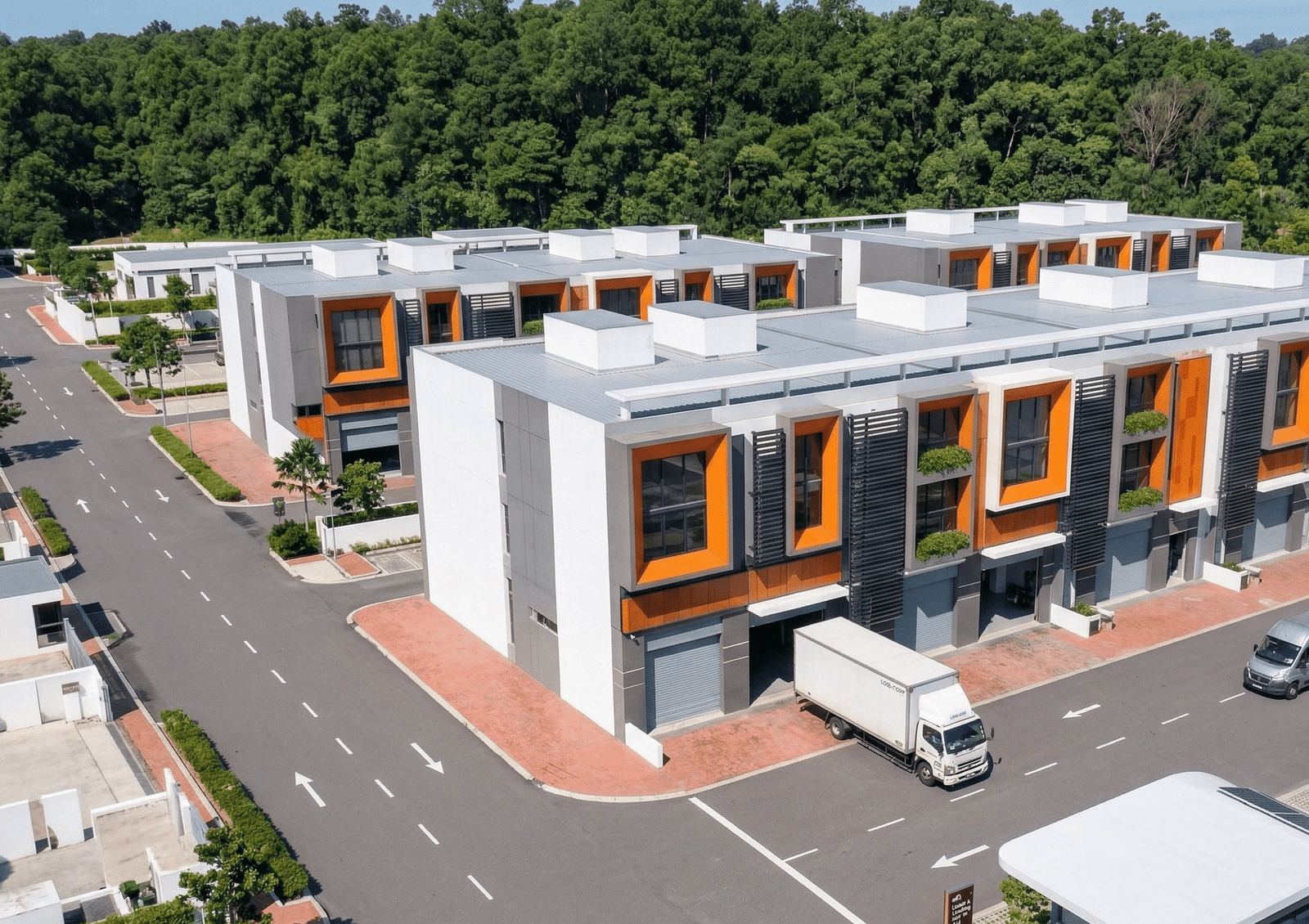
Pengerang Industrial Hub, developed by Pembangunan Wilayah KL Sdn Bhd, is a leasehold industrial development designed for light, medium, and heavy industries. For companies evaluating an Industrial Factory for sale Johor, PIH offers a purpose-built option where construction is expected to commence in October 2026.
On specifications, PIH builds 50 kN/m² ground floor load bearing, 13–15 metre clear heights, and 30-metre main roads into the base design — not as upgrades, but as standard.
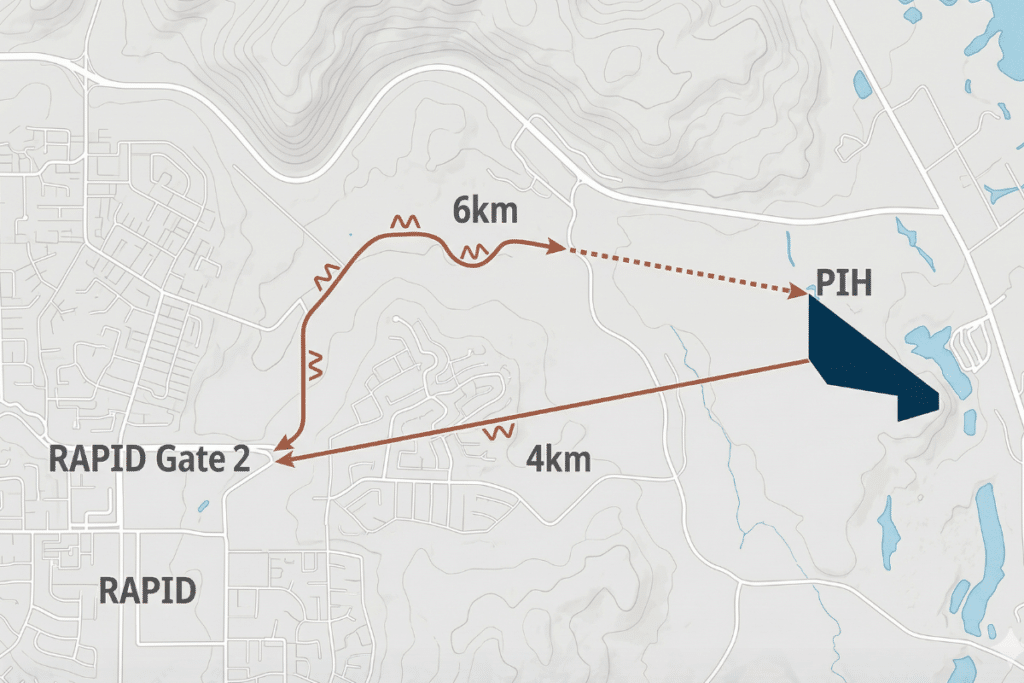
From a location perspective, the development sits 4 km from PETRONAS RAPID, 8 km from Teluk Ramunia MOLF deep-water terminal, 18 km from Tanjung Setapa MOLF, 90 km from Johor Bahru, 70 km from Johor Port, and 130 km from Singapore’s port network.
In terms of incentives, PIH falls within JS-SEZ Flagship H (Pengerang Integrated Petroleum Complex), making occupants eligible for PIPC special packages, MIDA incentives, and IMFC-J facilitation — with the development team positioned to guide investors through the process before they inadvertently miss application windows.
Three months of searching, three problems identified. One location that addresses all three from the ground up.
Everything You Need to Know About Pengerang Industrial Hub (PIH)
What is Pengerang Industrial Hub (PIH)?
Pengerang Industrial Hub (PIH) is a next-generation industrial development by Pembangunan Wilayah KL Sdn Bhd, located in Pengerang, Johor, within the Johor-Singapore Special Economic Zone (JS-SEZ) Flagship H zone. Designed for light, medium, and heavy industries, PIH offers detached, semi-detached, and terrace factory units with high floor load bearing, generous clear heights, and fully serviced infrastructure — making it a strategic base for manufacturing, logistics, and high-value industries in Southeast Asia’s industrial corridor.
What factory types and specifications does PIH offer?
PIH offers three factory types. Detached and semi-detached factories both carry 50 kN/m² floor load bearing and 15 metres clear height, suited for heavy and medium industrial operations. Terrace factories offer 50 kN/m² floor load bearing and 13 metres clear height, suited for SMEs, light manufacturing, assembly, and rental income. All factory types are served by 30-metre main roads designed for heavy vehicle movement.
Where is PIH located and what are the connectivity advantages?
PIH is located 4 km from PETRONAS RAPID, 8 km from Teluk Ramunia MOLF deep-water terminal, 18 km from Tanjung Setapa MOLF, 70 km from Johor Port, 90 km from Johor Bahru, and 130 km from Singapore’s port network by sea. This positions PIH as one of the best-connected industrial locations in Johor’s southern corridor for heavy cargo, cross-border logistics, and regional manufacturing operations.
What industries is PIH suitable for?
PIH is suitable for light, medium, and heavy industries, including manufacturing, precision engineering, logistics and warehousing, assembly and distribution, downstream petrochemical processing, advanced manufacturing, renewable energy, and ESG-related sectors. Its proximity to PETRONAS RAPID gives energy-intensive and downstream chemical operators a direct feedstock cost advantage, while its connectivity to Singapore makes it an ideal base for regional manufacturing and distribution.
What is the land tenure and when does construction begin?
PIH is a leasehold development. Terrace factory units each come with three individual strata titles, allowing buyers to purchase by floor or acquire the full unit. Construction is expected to commence in October 2026.