A New York-based startup called Everbloom has built a new textile fiber from waste protein — and just received the U.S. Federal Trade Commission’s first new fiber classification in 25 years. The material, called renoa, is designed to perform like cashmere while being machine-washable, made from industrial waste, and potentially cheaper to produce at scale. For brands and consumers priced out of premium natural fibers, the business model behind renoa is worth understanding.
A New Kind of Fiber Built From Waste
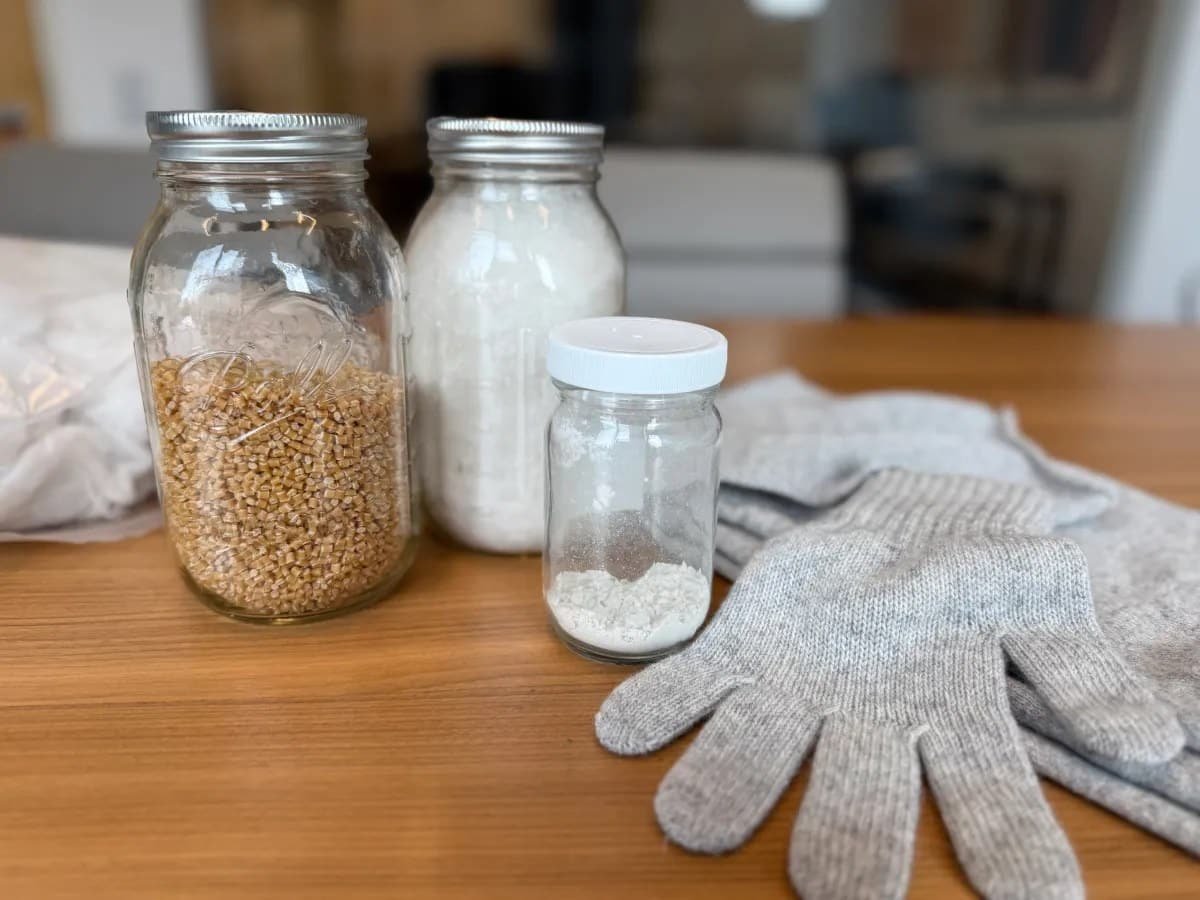
Renoa is not a synthetic petroleum-based fiber, nor is it a traditional natural fiber. Everbloom makes it from waste protein sources — specifically cashmere and wool scraps from garment manufacturing, along with down and feather “lint” left over from the bedding industry. Those waste inputs are ground into a fine powder, combined with a biodegradable biopolymer, and then extruded at a controlled length and diameter to mimic the feel of a specific natural fiber, such as cashmere.
The result is a fiber that has received its own official classification from the U.S. FTC, which regulates how fibers are labeled on consumer products. According to the TechCrunch report published on 1 November 2026, that FTC approval makes renoa the first genuinely new fiber classification in a quarter century — a regulatory milestone that gives Everbloom a distinct identity in the marketplace rather than forcing it to label renoa under an existing category.
Everbloom has been developing renoa for three years. The company also built its own AI model for materials science, first reported by TechCrunch in December 2025, with the cashmere substitute as the primary application.
Why Cashmere Is the Right Problem to Solve
Cashmere has become one of fashion’s most widely sold premium materials, spanning a price range from a $50 crewneck at Quince to a $7,900 cable knit cardigan at Brunello Cucinelli (prices as reported in the TechCrunch source, November 2026). Loro Piana, the LVMH-owned label that has made cashmere central to its identity, was valued at above €11 billion according to Yahoo Finance data cited in the same source.
Despite that demand, cashmere carries three persistent problems for buyers and the planet. It remains relatively expensive even at the entry level. It requires careful hand-washing and is vulnerable to shrinkage and pilling. And the cashmere goats producing the raw fiber have been documented damaging rangelands across Central Asia, a point raised in a December 2023 New York Times report cited in the TechCrunch article.
Those problems are not minor inconveniences — they are structural limits on how far cashmere can realistically grow as a category. A fiber that feels comparable, holds up in a tumble dryer, and is made from materials that would otherwise go to landfill addresses all three at once.
The Business Model: Blended First, Then Broader
Everbloom’s route to market is not to replace cashmere outright from day one. Instead, the company is working with clothing brands to introduce renoa as a blended fiber, initially making up around 20% of the material in a cashmere garment. That 80/20 cashmere-renoa blend is the format most likely to appear in early commercial products.
The first consumer products using renoa are expected to reach the market in Q2 2027, according to co-founder and CEO Sim Gulati, as reported by TechCrunch on 1 November 2026. Gulati noted that commercial finishing processes applied during garment production should close any remaining tactile gap between the blended fabric and pure cashmere, without affecting the fiber’s washability or dimensional stability.
The business logic here follows a pattern common in materials innovation: reduce risk for brand partners by blending rather than substituting, establish a track record at scale, and then increase the renoa share in later product generations. By targeting the blended cashmere segment first, Everbloom can reach premium fashion consumers without requiring brands to make an all-or-nothing bet on an unproven material.
The cost advantage is implied by the input economics — waste protein is cheaper than virgin cashmere fiber — though exact pricing for renoa as a commercial ingredient is not stated in the supplied sources.
FTC Classification and Real-World Performance
The FTC’s decision to classify renoa as a distinct fiber category is commercially significant beyond the regulatory symbolism. Brands that use renoa can label it accurately on care tags, which matters for consumer trust and for meeting import labeling requirements in the U.S. market. Without that classification, any product containing renoa would have been forced into an ill-fitting existing category — undermining the very identity that makes the material interesting to buyers.
On performance, the TechCrunch reporter Tim De Chant handled sample products — a crewneck sweater, knit gloves, and a scarf — during an October 2026 visit to Everbloom’s New York City headquarters. The scarf was the most telling test: Gulati had worn and washed it for months, including at least one run through a tumble dryer. The reporter observed that it had not pilled, and Gulati stated it had not shrunk. Pure cashmere would not typically survive that treatment without damage. The 80/20 blend was described by De Chant as “extremely close to the real thing.”
These are observations and company claims from a single demonstration, not the results of independent laboratory testing. The supplied sources do not include third-party durability data.
What to Watch When Renoa Reaches Shelves
The near-term question is whether the brand partners Everbloom is currently working with will commit to renoa-blended lines in time for the stated Q2 2027 launch window — and at what price point those products land relative to conventional cashmere. If the blend genuinely performs as described while costing less than pure cashmere to produce, the value proposition for mid-market fashion brands is clear.
The longer-term question is whether Everbloom’s AI-driven materials platform can extend beyond the cashmere substitute. The company’s own framing positions renoa as the first product, not the only one. A platform that can tune fiber properties from waste inputs to match different natural fibers would have applications well beyond knitwear.
The FTC classification is already secured. The scaling process is underway. The first commercial products are due in 2027. Whether renoa can capture meaningful shelf space — and whether consumers will seek it out by name — is the test that will determine whether this materials startup has built a durable business or an impressive proof of concept.